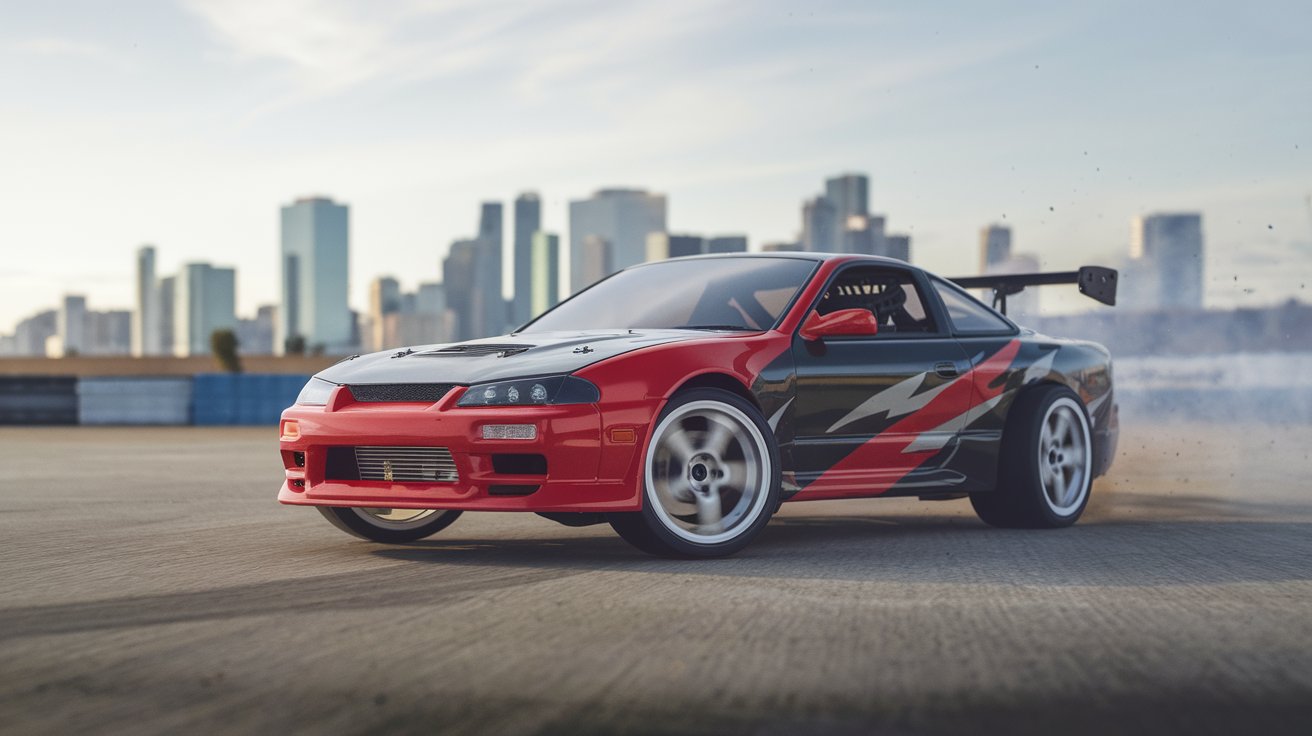
RC Drift Cars: Complete Guide to Remote Control Drifting 2025
RC drift cars have revolutionized the remote control hobby, combining precision driving techniques with the thrill of sideways action. These specialized vehicles feature unique chassis designs, drift tires, and suspension setups that enable controlled sliding maneuvers. Whether you’re a beginner exploring the world of RC drifting or an experienced enthusiast seeking advanced techniques, understanding the fundamentals of RC drift cars is essential for mastering this exciting motorsport discipline.
What Are RC Drift Cars and How They Work
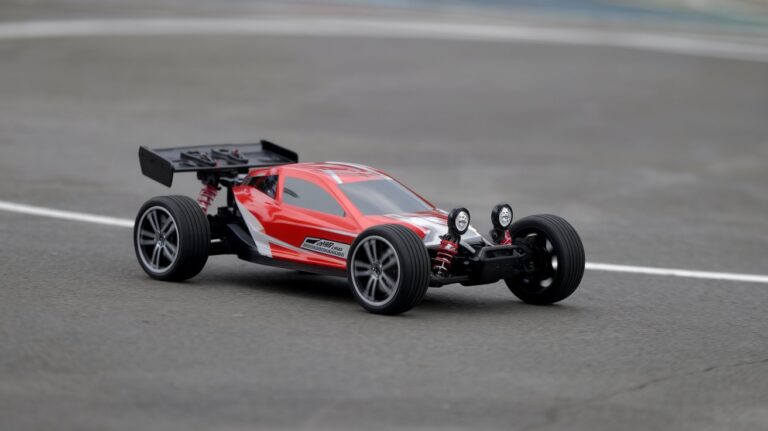
RC drift cars are specialized remote control vehicles designed specifically for performing controlled sliding maneuvers on smooth surfaces. Unlike traditional RC cars that prioritize grip and speed, drift cars feature unique characteristics including hard compound drift tires, adjustable suspension geometry, and rear-wheel drive systems that promote intentional loss of traction. The physics behind RC drifting involves maintaining a delicate balance between momentum, steering input, and throttle control to achieve smooth, controlled slides.
Modern drift car chassis typically feature longer wheelbases, lower center of gravity, and specialized weight distribution to enhance stability during sideways motion. The drivetrain configuration usually employs a rear-wheel drive setup with limited slip differentials or locked diffs to ensure both rear wheels spin at equal rates. Advanced models incorporate gyroscopic stabilization systems that help maintain drift angles and reduce spin-outs, making them more accessible to beginners while still challenging for experts.
Types of RC Drift Cars Available in 2025
The RC drift market in 2025 offers several distinct categories of drift vehicles catering to different skill levels and budgets. Ready-to-run (RTR) models provide complete packages including transmitter, receiver, and battery, making them ideal for newcomers to the hobby. These typically range from $150 to $400 and feature pre-tuned suspension settings and beginner-friendly drift characteristics.
Kit-based RC drift cars appeal to enthusiasts who enjoy customization and hands-on assembly. Popular manufacturers like Yokomo, MST, and Sakura offer high-quality chassis kits ranging from $200 to $600, requiring separate purchase of electronics, motor, and body shell. These kits provide superior adjustability and upgrade potential compared to RTR models.
Electric vs Nitro Drift Cars
Electric RC drift cars dominate the current market due to their clean operation, consistent power delivery, and minimal maintenance requirements. Brushless motor systems provide smooth torque curves ideal for drift control, while modern LiPo batteries offer extended run times. Electric models are preferred for indoor drifting and urban environments where noise restrictions apply.
Scale Options and Body Styles
Most drift cars utilize 1/10 scale chassis platforms, providing the optimal balance between detail and performance. Popular body styles include Japanese sports cars like the Nissan Silvia S15, Toyota AE86, and Mazda RX-7, along with modern platforms such as the Ford Mustang and Chevrolet Camaro. The 1/16 and 1/12 scale options cater to indoor drifting enthusiasts with limited space requirements.
Essential Components and Setup Requirements
Successful RC drift car operation requires several critical components working in harmony. The chassis forms the foundation, with popular options including the Yokomo YD-2 series, MST RMX 2.0, and Sakura D5S platforms. These chassis feature adjustable suspension geometry, multiple battery mounting positions, and extensive tuning capabilities essential for achieving optimal drift characteristics.
Motor selection significantly impacts drift performance, with brushless motors in the 10.5T to 21.5T range providing ideal torque characteristics. Higher turn numbers offer smoother low-speed control, while lower turns provide more aggressive power delivery. Electronic speed controllers (ESCs) must feature appropriate programming options including drag brake, turbo timing, and smooth acceleration curves optimized for drift applications.
Drift Tires and Wheels
Drift tires represent the most critical component affecting vehicle behavior, with hard compound PVC or ABS plastic materials providing minimal grip on smooth surfaces. Popular options include Yokomo Super Drift Tires, MST drift rings, and HPI Racing drift tires. Tire width and compound hardness directly influence drift angle and speed, with narrower tires promoting easier initiation and wider tires offering more stability during extended slides.
Electronic Systems and Radio Equipment
Modern RC drift cars benefit from advanced radio systems offering precise control and programmability. Transmitters with exponential steering curves, dual rates, and servo reversing capabilities enhance driving precision. Gyroscopic systems like the Yokomo DP-302 V4 provide electronic stability assistance, automatically countersteering to maintain desired drift angles and prevent unwanted spin-outs, particularly valuable for developing drivers.
Top RC Drift Car Models and Manufacturers
The competitive landscape of RC drift cars in 2025 features several standout manufacturers and models. Yokomo continues leading innovation with their YD-2 series, offering multiple variants including the YD-2EX, YD-2ZX, and YD-2SX3 platforms. These chassis feature advanced suspension geometry, multiple motor mounting positions, and extensive tuning options that have made them favorites among competitive drifters worldwide.
MST (Maxspeed Technology) has gained significant market share with their RMX 2.0 and FMX platforms, providing high-quality drift chassis at competitive price points. The RMX 2.0 RTR models offer excellent value for beginners, while the FMX series caters to advanced users seeking maximum adjustability and performance potential.
Budget-Friendly Options Under $300
Entry-level RC drift cars provide accessible pathways into the hobby without significant financial investment. The HPI Racing Sprint 2 Drift and Tamiya TT-02D chassis offer solid foundations for learning basic drift techniques. These models typically include basic electronics and require minimal additional investment to achieve functional drift performance, making them ideal for newcomers exploring the hobby.
Professional Competition Models
Competition-grade drift cars feature advanced materials, precision manufacturing, and extensive tuning capabilities. The Yokomo YD-2EX and Sakura D5S represent current pinnacles of drift chassis technology, incorporating carbon fiber construction, ball bearing equipped drivetrains, and sophisticated suspension systems. These models command prices exceeding $500 but deliver performance levels suitable for national and international competition.
RC Drift Car Setup and Tuning Guide
Proper setup is crucial for optimal RC drift car performance, beginning with suspension geometry adjustments. Camber angles typically range from -2 to -5 degrees front and rear, promoting tire contact during cornering. Toe settings influence straight-line stability and corner entry characteristics, with slight toe-out front and toe-in rear being common starting points for most chassis platforms.
Weight distribution significantly affects drift behavior, with most successful setups achieving 52-55% rear weight bias. Battery positioning, motor placement, and additional ballast can fine-tune weight distribution to match driving style and track conditions. Suspension stiffness requires careful balancing, with stiffer rear springs promoting easier drift initiation while softer front springs improve steering response and overall vehicle balance.
Learning to Drive RC Drift Cars
Mastering RC drift car control requires developing specific driving techniques distinct from traditional RC racing. Initial learning should focus on basic car control, including smooth steering inputs, progressive throttle application, and understanding weight transfer dynamics. Practice sessions should begin on large, open surfaces with minimal obstacles to build confidence and muscle memory.
Counter-steering represents the fundamental skill in drift driving, requiring drivers to steer opposite to the direction of slide while modulating throttle to maintain desired drift angles. Throttle control becomes particularly critical, as excessive power application can result in spin-outs while insufficient power causes drift termination. Progressive skill development involves practicing figure-eight patterns, linked corners, and eventually complex course layouts mimicking competition formats.
Common Beginner Mistakes to Avoid
New RC drift car enthusiasts often struggle with overly aggressive control inputs, resulting in erratic vehicle behavior and frequent crashes. Smooth, progressive inputs are essential for maintaining control during slides. Additionally, beginners frequently over-tighten suspension settings, reducing the chassis’s ability to absorb surface irregularities and maintain consistent tire contact.
Practice Techniques and Skill Development
Structured practice routines accelerate drift car skill development. Start with basic exercises including straight-line drifts, gentle S-curves, and single corner drifts before progressing to linked combinations. Video analysis of successful drivers provides valuable insights into proper technique, timing, and vehicle positioning throughout various maneuvers.
RC Drift Racing and Competition Scene
The competitive RC drift car scene has expanded significantly across the United States, with organized events ranging from local club meets to national championships. Major sanctioning bodies including RD USA (RC Drift USA) and various regional organizations host structured competitions featuring standardized judging criteria and classification systems based on driver skill levels.
Competition formats typically include qualifying sessions where drivers perform solo runs on predetermined courses, followed by tandem battles between paired competitors. Judging criteria emphasize line accuracy, drift angle consistency, overall speed, and style factors. Professional RC drift events often feature cash prizes, manufacturer sponsorships, and opportunities for talented drivers to represent major brands in promotional activities.
Maintenance and Care for RC Drift Cars
Regular maintenance ensures optimal RC drift car performance and longevity. Post-session cleaning removes accumulated debris and drift tire residue that can affect component operation. Ball bearings require periodic cleaning and re-lubrication, particularly in dusty or outdoor environments. Suspension components should be inspected for wear, with particular attention to shock absorber seals and spring condition.
Electronic systems require specific attention, including ESC cooling, motor brush inspection (for brushed motors), and radio system range testing. LiPo battery maintenance involves proper storage voltages, balanced charging procedures, and regular capacity testing to ensure reliable performance. Drivetrain components including gears, belts, and differentials should be inspected regularly and replaced according to manufacturer recommendations or when wear becomes apparent.
Related video about rc drift cars
This video complements the article information with a practical visual demonstration.
FAQ – Common Questions
What makes RC drift cars different from regular RC cars?
RC drift cars feature specialized hard compound drift tires, rear-wheel drive systems, and suspension geometry designed to promote controlled sliding. Unlike regular RC cars that maximize grip, drift cars use minimal traction components and longer wheelbases to achieve stable sideways motion while maintaining driver control.
How much should I spend on my first RC drift car?
Beginner RC drift car packages typically range from $150-300 for complete ready-to-run models including electronics. This investment provides everything needed to start drifting immediately. Advanced enthusiasts often spend $400-800 on kit-based chassis with premium electronics and customization options.
What surfaces are best for RC drifting?
Smooth surfaces like polished concrete, gymnasium floors, sealed asphalt, and specialized drift tracks provide optimal conditions for RC drifting. The surface should be clean, level, and free from debris. Indoor venues offer consistent conditions year-round, while outdoor locations require dry weather conditions for best performance.
Do I need special tools to maintain an RC drift car?
Basic maintenance requires standard hex drivers, small Phillips screwdrivers, and needle-nose pliers. Advanced tuning benefits from specialized tools including camber gauges, ride height measurers, and digital calipers. Most maintenance tasks use common hobby-grade tools available at RC retailers or online suppliers.
How long do RC drift car tires last?
Drift tire longevity depends on surface type, driving style, and tire compound. Hard compound drift tires typically provide 10-20 hours of use on smooth surfaces before requiring replacement. Rough surfaces accelerate wear significantly, while gentle driving styles extend tire life. Most drivers maintain multiple sets for different conditions.
Can RC drift cars be used outdoors?
RC drift cars perform best on smooth indoor surfaces but can be used outdoors on suitable pavement. Outdoor drifting requires dry conditions and clean, sealed surfaces for optimal performance. Wind conditions, temperature variations, and surface debris can affect vehicle behavior compared to controlled indoor environments.
| Key Aspect | Important Details | Benefit |
|---|---|---|
| Chassis Selection | YD-2, RMX 2.0, or D5S platforms | Superior adjustability and performance |
| Motor Choice | 10.5T to 21.5T brushless systems | Optimal torque for drift control |
| Tire Compound | Hard PVC or ABS drift tires | Consistent sliding characteristics |
| Practice Surface | Smooth concrete or gymnasium floors | Predictable vehicle behavior |
| Budget Range | $150-300 RTR, $400-800 advanced kits | Options for all skill levels |