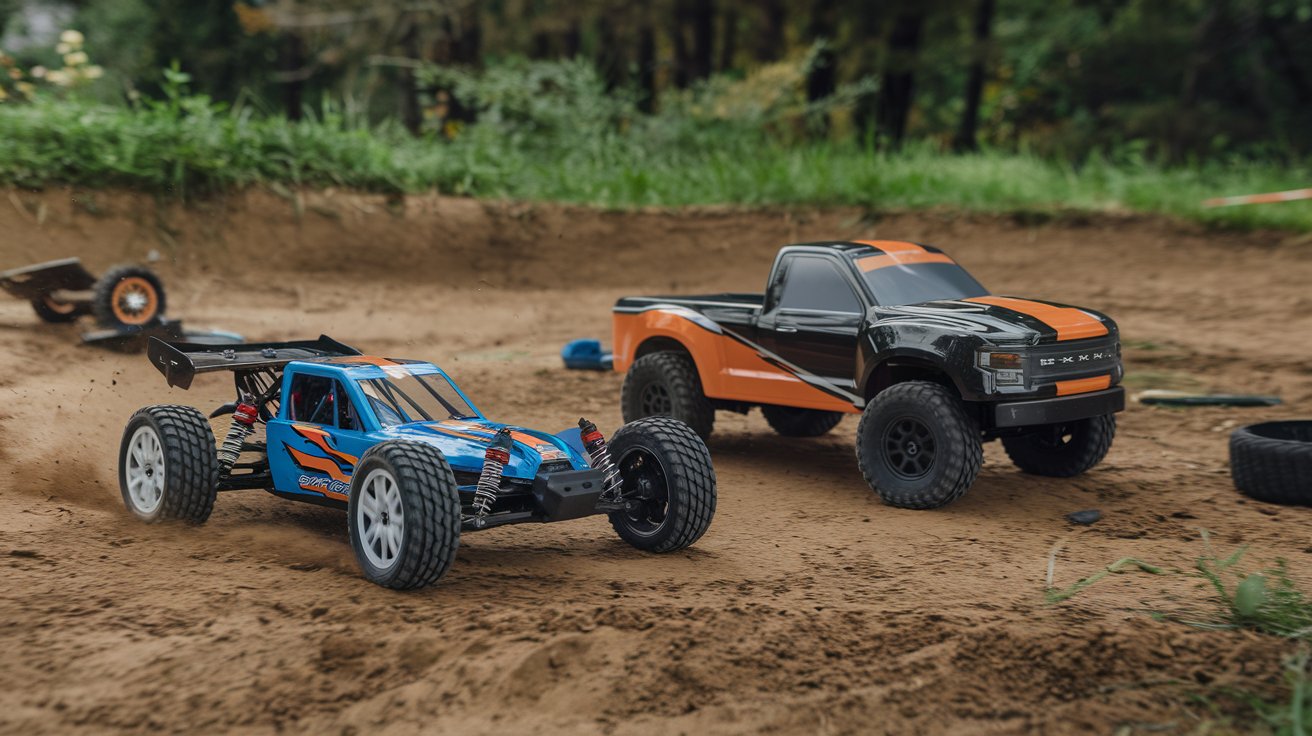
Nitro RC Cars & Trucks Guide 2025: Best Models & Tips
Nitro RC cars represent the pinnacle of remote control vehicle performance, combining realistic engine sounds with impressive speeds reaching up to 70+ mph. These fuel-powered machines offer an authentic driving experience that electric models simply cannot match. Whether you’re seeking a nitro RC monster truck for off-road adventures or a precision nitro RC buggy for track racing, understanding the fundamentals will help you make the perfect choice for your needs and budget.
Understanding Nitro RC Cars and How They Work
Nitro RC cars operate using small internal combustion engines that burn a special fuel mixture containing methanol, nitromethane, and oil. The nitro RC engine functions similarly to full-size car engines, featuring pistons, connecting rods, and crankshafts that create mechanical power. Unlike electric RC cars that rely on batteries, nitro models provide extended runtime limited only by your fuel supply. The distinctive roar and smoke from these engines create an immersive experience that attracts enthusiasts worldwide.
The fuel mixture ratio significantly impacts performance, with higher nitromethane percentages delivering more power but requiring careful tuning. Most nitro RC cars use 16% to 30% nitromethane fuel, with beginners typically starting at lower concentrations for easier maintenance. The engine’s two-stroke design eliminates the need for a separate lubrication system, as oil mixed into the fuel provides necessary lubrication for all moving parts.
Key Components of Nitro RC Systems
Every nitro RC vehicle contains essential components that work together for optimal performance. The nitro RC engine serves as the heart, typically ranging from .12 to .32 cubic inches for most models. The fuel tank capacity usually holds 75-125ml of nitro fuel, providing 8-15 minutes of runtime depending on engine size and throttle usage. Radio systems include a 2.4GHz transmitter and receiver that control throttle, steering, and brake functions with precise digital accuracy.
Starting and Operating Your Nitro RC
Starting a nitro RC requires specific procedures that differ significantly from electric models. First, prime the engine by covering the exhaust pipe and pulling the starter cord until fuel appears in the fuel lines. Install a fully charged glow plug igniter on the glow plug, then pull the starter cord with steady, firm pulls until the engine fires. Remove the glow plug igniter once the engine runs consistently, and allow proper warm-up time before driving to ensure optimal nitro RC performance and longevity.
Best Nitro RC Car Types and Models for 2025
The nitro RC market in 2025 offers diverse vehicle types designed for specific driving preferences and skill levels. Traxxas nitro RC cars continue dominating the American market with models like the Rustler VXL and T-Maxx series, known for their durability and parts availability. HPI Racing provides premium options with their Savage and Trophy series, while Team Associated offers competition-grade vehicles for serious racers. Understanding each category helps determine which style matches your intended use and experience level.
Scale and performance vary significantly across different model types. 1/10 scale vehicles offer the perfect balance of size, speed, and handling for most users, while 1/8 scale models provide increased stability and power for advanced drivers. Monster trucks excel in rough terrain with oversized tires and high ground clearance, while buggies prioritize speed and agility on smoother surfaces. Each category requires specific maintenance approaches and driving techniques for optimal enjoyment.
Nitro RC Monster Trucks
Nitro RC monster trucks represent the most versatile and beginner-friendly category in 2025. These vehicles feature large-diameter tires, extended suspension travel, and robust chassis construction designed to handle jumps, rough terrain, and aggressive driving. Popular models like the Traxxas T-Maxx and HPI Savage Octane deliver impressive durability while maintaining reasonable operating costs. The elevated ride height and wide wheelbase provide stability that helps new drivers build confidence while learning nitro RC fundamentals.
High-Performance Nitro RC Buggies
Nitro RC buggies prioritize speed and precision handling over versatility, making them ideal for experienced drivers and competitive racing. These lightweight vehicles feature low-profile designs, advanced suspension geometry, and aerodynamic body shells optimized for maximum performance. The nitro RC buggy category includes both 2WD and 4WD configurations, with 2WD models offering easier maintenance and lower costs, while 4WD versions provide superior traction and control in various conditions.
Nitro RC Trucks and 4WD Systems
Nitro RC trucks 4X4 systems deliver unmatched traction and climbing ability for challenging terrain and weather conditions. Four-wheel drive configurations distribute power to all wheels simultaneously, enabling steep incline climbing, sand driving, and wet surface performance that 2WD models cannot achieve. Modern 4WD systems feature center differentials that allow front and rear wheels to rotate at different speeds during turns, preventing binding and reducing tire wear while maintaining optimal traction distribution.
The complexity of 4WD systems requires additional maintenance compared to 2WD alternatives, but the performance benefits justify the extra effort for many enthusiasts. Nitro RC truck models with 4WD typically cost 20-30% more than comparable 2WD versions, reflecting the additional drivetrain components and engineering required. Regular differential oil changes, universal joint inspection, and driveshaft maintenance ensure reliable operation and prevent costly repairs.
Choosing the Right Nitro RC Car Kit
Nitro RC car kits provide the most cost-effective entry point into the hobby while offering valuable learning experiences about vehicle mechanics and tuning. Kit assembly typically requires 15-25 hours of careful construction using basic tools and following detailed instruction manuals. This hands-on approach teaches essential maintenance skills and provides intimate knowledge of every component, making future repairs and modifications much easier. Ready-to-run (RTR) models cost 40-60% more than equivalent kits but include pre-assembly, radio systems, and initial tuning.
Selecting between kit and RTR options depends on your mechanical aptitude, available time, and learning preferences. Kits allow component customization during assembly and often include higher-quality parts than RTR equivalents. However, RTR models enable immediate driving enjoyment without construction delays or potential assembly errors. Most manufacturers offer both options across their model ranges, allowing buyers to choose based on personal priorities and experience levels.
Essential Tools for Kit Assembly
Successful nitro RC car kit assembly requires specific tools that ensure proper construction and prevent component damage. Essential items include a complete metric hex wrench set, Phillips and flathead screwdrivers, needle-nose pliers, and a quality hobby knife for body trimming. Ball-bearing tools facilitate smooth differential assembly, while thread-locking compound prevents screws from loosening during operation. Most kits include basic hardware, but upgrading to titanium or aluminum screws improves durability and appearance.
Assembly Tips for Beginners
First-time kit builders should allocate extra time for careful component inspection and instruction manual study before beginning assembly. Clean all parts thoroughly to remove manufacturing oils and debris that could affect performance or appearance. Test-fit components before final assembly to identify potential issues early, and take progress photos for reference during future maintenance. Join online forums and local clubs where experienced builders provide guidance and troubleshooting assistance for complex assembly steps.
Nitro RC Engine Selection and Performance
Engine selection dramatically impacts your nitro RC vehicle’s performance, maintenance requirements, and operating costs. Small .12-.15 cubic inch engines provide excellent fuel economy and easier starting characteristics ideal for beginners, while larger .21-.32 engines deliver higher speeds and more aggressive acceleration for experienced drivers. Engine manufacturers like O.S., Novarossi, and Picco offer various configurations optimized for different applications, from casual driving to competitive racing scenarios.
Two-stroke and four-stroke engines each offer distinct advantages depending on intended use. Two-stroke designs dominate the nitro RC market due to their higher power-to-weight ratios, simpler construction, and lower costs. Four-stroke engines provide smoother power delivery, better fuel economy, and more realistic sound but require more complex maintenance and typically cost 50-70% more than equivalent two-stroke units. Most beginners benefit from starting with proven two-stroke engines before considering four-stroke alternatives.
Engine Tuning and Maintenance
Proper nitro RC engine tuning ensures optimal performance, fuel economy, and component longevity. The high-speed needle controls fuel mixture at full throttle, while the low-speed needle affects idle and acceleration characteristics. Rich settings provide better cooling and engine protection, while lean settings increase power but risk overheating damage. Temperature monitoring using infrared thermometers helps maintain safe operating ranges between 200-250°F for most engines.
Fuel Types and Mixing Ratios
Nitro fuel selection significantly impacts engine performance and operational characteristics. Standard 16% nitromethane fuel provides reliable operation for most applications, while 20-30% mixtures deliver increased power at higher costs. The methanol component serves as the primary fuel, nitromethane adds power and smoothness, while synthetic oil provides essential lubrication. Quality fuel brands like Byron, Traxxas, and O’Donnell offer consistent mixing ratios and additive packages that protect engine components during operation.
Maintenance and Troubleshooting Guide
Regular maintenance keeps your nitro RC cars operating reliably while preventing expensive repairs and extending component life. After each driving session, clean external surfaces with denatured alcohol to remove fuel residue and dirt accumulation. Inspect the air filter for contamination and replace when dirty, as restricted airflow causes rich running conditions and reduced performance. Check all screws for tightness, particularly those securing the engine, transmission, and suspension components that experience high stress during operation.
Engine-specific maintenance includes regular glow plug replacement every 1-2 gallons of fuel consumption and periodic carburetor cleaning to prevent fuel system contamination. Examine the exhaust system for damage or carbon buildup that restricts flow and reduces power output. Fuel tank cleaning with fresh fuel and new fuel lines every season ensures reliable fuel delivery and prevents starting problems caused by contaminated fuel systems.
Cost Analysis and Budget Planning for 2025
Entering the nitro RC hobby requires careful budget planning beyond the initial vehicle purchase price. Quality Traxxas nitro RC cars range from $300-600 for RTR models, while premium racing vehicles can exceed $800-1000. Essential accessories include fuel, glow plugs, batteries for the radio system, and basic tools, adding approximately $150-250 to startup costs. Operating expenses include fuel consumption averaging $8-12 per gallon, glow plugs lasting 1-2 gallons, and periodic maintenance parts replacement.
Long-term ownership costs vary significantly based on driving frequency, maintenance quality, and component upgrades. Conservative estimates suggest annual operating costs of $200-400 for casual drivers, while competitive racers may spend $800-1500 yearly on fuel, parts, and performance modifications. Insurance considerations include liability coverage for potential property damage, though most homeowner’s policies provide adequate protection for recreational RC activities. Building relationships with local hobby shops often provides maintenance discounts and technical support that reduces overall ownership costs.
Related video about nitro rc
This video complements the article information with a practical visual demonstration.
Key Questions and Answers
How fast do nitro RC cars go compared to electric models?
Nitro RC cars typically reach speeds of 35-70+ mph depending on engine size and vehicle type, often matching or exceeding high-end electric models. The key advantage is sustained high-speed performance without battery limitations, allowing extended high-speed driving sessions limited only by fuel supply.
What maintenance is required for nitro RC engines?
Essential nitro RC engine maintenance includes cleaning after each use, replacing glow plugs every 1-2 gallons of fuel, checking air filter cleanliness, and periodic carburetor cleaning. Regular oil changes in 4WD differentials and inspection of all moving parts prevent premature wear and ensure reliable operation.
Are nitro RC cars suitable for beginners in 2025?
Modern nitro RC cars are increasingly beginner-friendly with improved starting systems, reliable engines, and comprehensive instruction materials. Monster truck models offer the best entry point due to their durability and forgiving handling characteristics, though all nitro vehicles require more maintenance knowledge than electric alternatives.
What fuel should I use in my nitro RC car?
Most nitro RC cars operate best on 16-20% nitromethane fuel for beginners, with higher percentages available for increased performance. Quality brands like Byron, Traxxas, and O’Donnell provide consistent fuel composition and protective additives. Always use fresh fuel and avoid automotive gasoline, which will damage nitro engines.
How long do nitro RC cars run on one tank of fuel?
Typical nitro RC cars run 8-15 minutes per tank depending on engine size, driving style, and tank capacity. Larger engines consume more fuel but provide increased power, while conservative driving extends runtime. Most enthusiasts refuel 3-5 times during typical hour-long driving sessions.
What’s the difference between 2WD and 4WD nitro RC trucks?
4WD nitro RC trucks provide superior traction, climbing ability, and all-weather performance compared to 2WD models, but require more maintenance and cost 20-30% more. 2WD trucks offer simpler maintenance, lower operating costs, and adequate performance for most casual driving applications on smooth surfaces.
| Vehicle Type | Best For | Price Range |
|---|---|---|
| Nitro RC Monster Truck | Beginners, rough terrain, durability | $300-500 |
| Nitro RC Buggy | Speed, racing, experienced drivers | $400-800 |
| Nitro RC Truck 4WD | All-terrain, climbing, versatility | $450-700 |
| Nitro RC Car Kit | Learning, customization, budget | $200-400 |