Electric RC Cars: Complete Guide to Models & Brands 2025
Electric RC cars have revolutionized the hobby industry with cutting-edge technology and exceptional performance in 2025. These battery-powered vehicles offer instant acceleration, quieter operation, and cleaner maintenance compared to nitro alternatives. Whether you’re a beginner seeking your first electric RC car or an experienced enthusiast looking to upgrade, understanding motor types, battery systems, and brand differences is essential for making the right choice.
Top Electric RC Car Brands in 2025
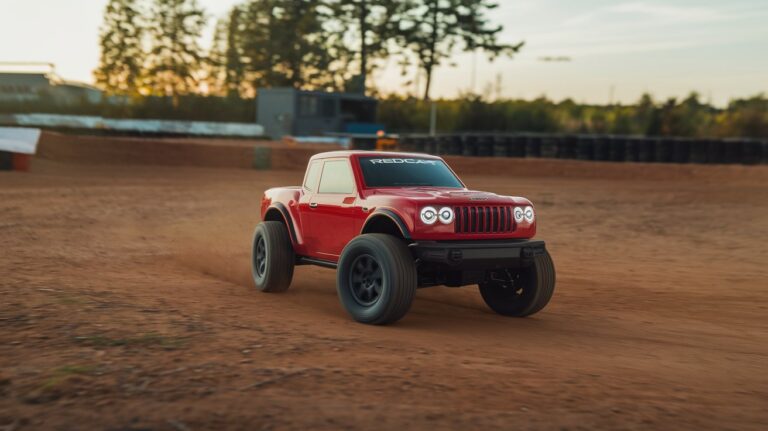
The electric RC car market is dominated by several premium manufacturers, each offering unique advantages for different skill levels and budgets. Traxxas leads the market with user-friendly designs and extensive dealer networks across the United States, while ARRMA focuses on extreme durability and aggressive styling. Horizon Hobby’s brands including Losi and Team Associated provide professional-grade racing vehicles, and newer companies like Redcat Racing offer excellent value propositions for budget-conscious enthusiasts.
When evaluating brands, consider factors like parts availability, customer support, and community resources. Traxxas excels in customer service with comprehensive warranties and readily available replacement parts through authorized dealers nationwide. Meanwhile, ARRMA vehicles are engineered for extreme bashing and feature reinforced chassis designs that withstand high-impact crashes and jumps.
Traxxas vs ARRMA: Complete Comparison
Traxxas and ARRMA represent the two most popular choices for American RC enthusiasts, each with distinct philosophies. Traxxas focuses on ease of use, comprehensive support, and gradual learning curves, making their vehicles ideal for newcomers to the hobby. Their TQi radio system, waterproof electronics, and modular upgrade paths create seamless ownership experiences for users of all skill levels.
Horizon Hobby and Premium Alternatives
Horizon Hobby serves as the parent company for multiple premium RC brands including Losi, Team Associated, and Spektrum. Their vehicles target serious racers and experienced hobbyists who demand professional-grade performance and precision engineering. Unlike mass-market brands, Horizon’s offerings focus on competitive racing applications with advanced suspension geometries and high-end component specifications.
Electric RC Car Types and Categories
Understanding different electric RC car categories helps narrow your selection based on intended use and skill level. On-road touring cars excel on smooth surfaces with precise handling and high-speed capabilities, while off-road trucks and buggies dominate rough terrain with aggressive tread patterns and robust suspension systems. Monster trucks offer extreme ground clearance and dramatic jumping abilities, making them perfect for spectacular stunts and crowd-pleasing demonstrations.
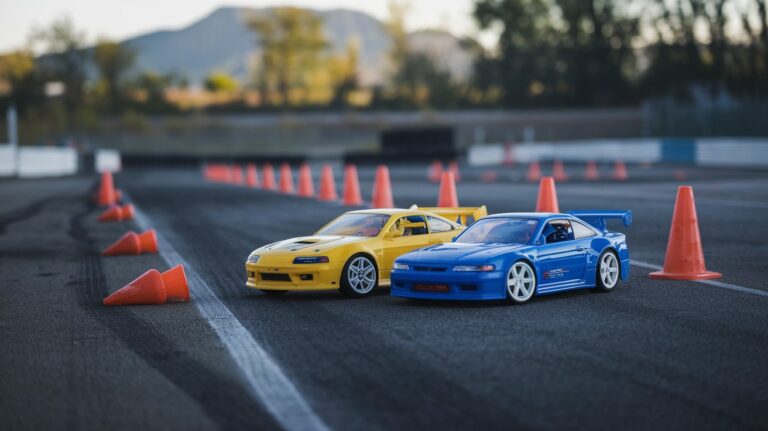
Scale crawlers represent the most technical category, requiring patience and precision to navigate challenging obstacle courses. These vehicles prioritize torque and control over speed, featuring realistic suspension articulation and detailed scale accessories. Electric drift cars combine precise throttle control with specialized tires for sideways driving techniques popular in competitive drifting events across the United States.
Off-Road Electric Trucks and Buggies
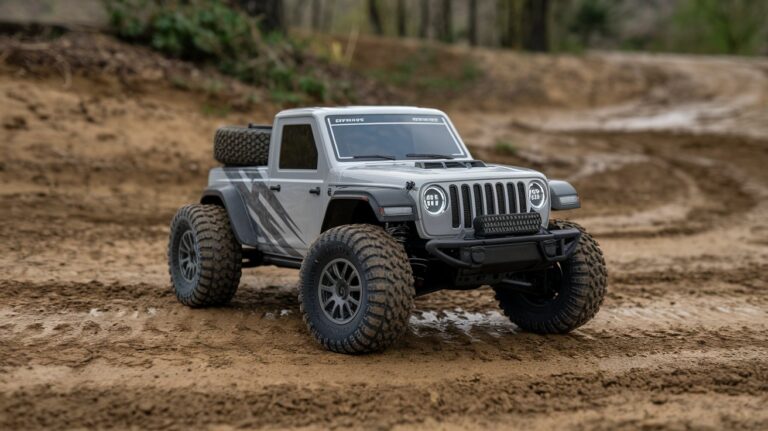
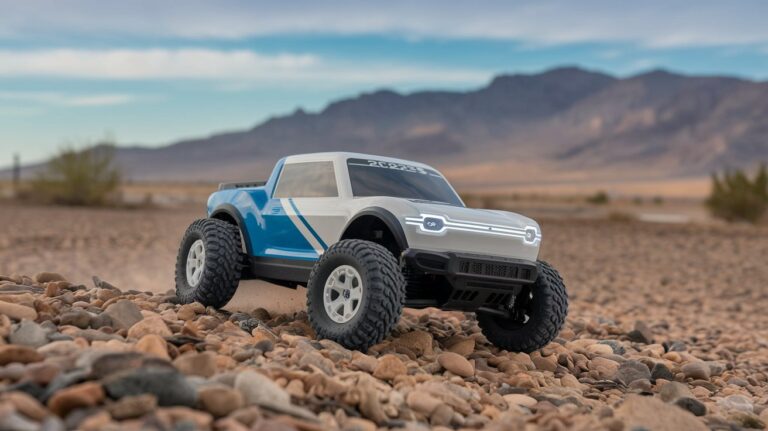
Off-road electric RC vehicles dominate sales figures due to their versatility and excitement factor. Stadium trucks feature elevated ground clearance and independent suspension systems designed for high-speed jumping and rough terrain navigation. Desert buggies emphasize long-travel suspension and lightweight construction for realistic off-road racing experiences that mirror full-scale desert racing competitions.
On-Road Electric Touring Cars
On-road electric touring cars deliver exceptional speed and handling precision on smooth surfaces like parking lots and dedicated RC tracks. These vehicles feature low-profile tires, aerodynamic bodies, and finely-tuned suspension systems optimized for cornering performance. Many touring cars achieve speeds exceeding 60 mph with proper gearing and battery combinations, making them thrilling options for experienced drivers.
Electric vs Nitro: Why Electric is Better
Modern electric RC cars offer significant advantages over nitro-powered alternatives, particularly for beginners and casual enthusiasts. Electric motors provide instant torque delivery without warmup periods, creating immediate acceleration and responsive throttle control. Maintenance requirements are minimal compared to nitro engines, eliminating fuel mixing, air filter cleaning, and engine tuning complexities that often frustrate newcomers to the hobby.
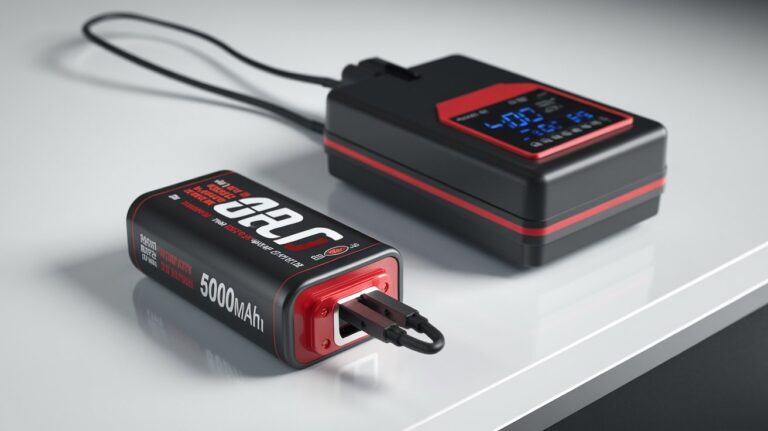
Battery technology advances in 2025 have extended runtime significantly while reducing charging times. Modern LiPo batteries deliver 15-20 minutes of aggressive driving with 30-45 minute charging cycles using advanced chargers. Additionally, electric vehicles operate much quieter than nitro counterparts, allowing use in noise-sensitive areas like residential neighborhoods and indoor facilities.
Electric Motors and ESC Technology
Electronic Speed Controllers (ESCs) and motor combinations form the heart of any electric RC car’s performance capabilities. Brushed motors offer simplicity and affordability but limited lifespan due to physical carbon brushes that wear over time. Brushless motors eliminate this wear component while delivering superior power output, efficiency, and longevity that justifies their higher initial investment costs.
Motor specifications include turn counts and KV ratings that determine speed and torque characteristics. Lower turn motors (higher KV) produce more speed but less torque, while higher turn motors (lower KV) emphasize pulling power and control. Most electric RC cars benefit from sensored brushless systems that provide smooth low-speed control essential for technical driving situations.
Brushless Motor Advantages
Brushless motors represent the gold standard for serious electric RC car enthusiasts, offering efficiency ratings exceeding 90% compared to 75% for brushed alternatives. This efficiency translates to longer runtime, reduced heat generation, and extended battery life during aggressive driving sessions. Premium brushless systems feature programmable timing, brake strength, and throttle curves that allow fine-tuning for specific driving conditions.
ESC Features and Programming Options
Modern Electronic Speed Controllers incorporate sophisticated programming options accessible through dedicated smartphone apps or programming cards. Advanced ESCs offer features like regenerative braking that recovers energy during deceleration, thermal protection that prevents overheating damage, and customizable throttle curves that modify acceleration characteristics. These features enable precise vehicle tuning for optimal performance across various driving conditions and skill levels.
LiPo vs NiMH Battery Systems
Battery selection significantly impacts your electric RC car’s performance, runtime, and overall ownership experience. Lithium Polymer (LiPo) batteries deliver superior power density, lighter weight, and higher voltage stability throughout discharge cycles compared to Nickel Metal Hydride (NiMH) alternatives. However, LiPo batteries require specialized chargers and careful handling procedures to ensure safe operation and longevity.
NiMH batteries offer safer operation with reduced fire risk and simpler charging requirements, making them ideal for beginners or younger enthusiasts. While heavier and less powerful than LiPo alternatives, NiMH batteries provide adequate performance for entry-level electric RC cars and remain the preferred choice for many casual hobbyists who prioritize safety over maximum performance.
Choosing the Right Electric RC Car
Selecting the perfect electric RC car requires honest assessment of your skill level, intended use, and budget constraints. Beginners should prioritize ready-to-run (RTR) packages that include everything needed to start driving immediately, including transmitter, receiver, battery, and charger. Intermediate enthusiasts might prefer kit versions that offer hands-on building experience and deeper understanding of vehicle mechanics and setup procedures.
Consider your driving environment when choosing between vehicle types and scales. Larger 1/8 and 1/10 scale vehicles excel in open areas with room for high-speed runs, while smaller 1/16 and 1/18 scale options suit indoor use and confined spaces. Budget $200-400 for quality entry-level electric RC cars, with premium models and racing platforms ranging from $500-1500 depending on included features and performance capabilities.
Essential Accessories and Upgrades
Successful electric RC car ownership requires several essential accessories beyond the basic vehicle package. Quality battery chargers with balance charging capabilities ensure safe LiPo battery maintenance and longevity, while spare batteries extend driving sessions without lengthy charging breaks. Tool kits with hex drivers, pliers, and specialty RC tools enable field repairs and routine maintenance procedures.
Performance upgrades follow a logical progression starting with tires appropriate for your driving surface, followed by suspension tuning components and drivetrain improvements. Electric RC car enthusiasts often upgrade to aluminum chassis braces, adjustable shock absorbers, and precision ball bearings that enhance durability and performance. Advanced upgrades include telemetry systems that monitor motor temperature, battery voltage, and vehicle speed in real-time.
Must-Have Safety Equipment
Safety equipment is crucial when operating powerful electric RC cars that can exceed 50+ mph speeds. LiPo safety bags provide fire-resistant storage during charging and transport, while impact-resistant safety glasses protect against debris during high-speed driving sessions. Quality fire extinguishers rated for electrical fires should be readily accessible during LiPo battery usage and charging procedures.
Performance Enhancement Tools
Professional-grade tools enable precise vehicle setup and maintenance that maximizes performance and reliability. Digital calipers measure suspension geometry and tire wear patterns, while infrared thermometers monitor motor and ESC temperatures during operation. Setup boards provide flat, stable platforms for precise ride height and camber adjustments that significantly impact handling characteristics on track and off-road conditions.
Related video about electric rc cars
This video complements the article information with a practical visual demonstration.
Frequently Asked Questions
What’s better, Traxxas or ARRMA?
Traxxas excels in customer support, parts availability, and beginner-friendly designs, making them ideal for newcomers to electric RC cars. ARRMA focuses on extreme durability and aggressive styling, better suited for experienced enthusiasts who prioritize bashing performance and don’t mind potentially higher maintenance requirements.
Are electric RC cars better than nitro?
Electric RC cars offer superior convenience with instant power delivery, minimal maintenance, quieter operation, and no fuel mixing requirements. While nitro cars provide authentic engine sounds and longer runtime, electric vehicles dominate in 2025 due to advanced battery technology, lower operating costs, and environmental friendliness.
How fast do electric RC cars go?
Modern electric RC cars achieve speeds ranging from 25 mph for entry-level models to over 100 mph for specialized speed-focused vehicles. Most hobby-grade electric RC cars operate between 35-60 mph with proper battery and gearing combinations, providing thrilling performance for enthusiasts of all skill levels.
How long do electric RC car batteries last?
LiPo batteries typically provide 15-20 minutes of runtime during aggressive driving, while NiMH batteries offer 10-15 minutes of operation. Battery lifespan depends on usage patterns, charging practices, and storage conditions, with quality LiPo batteries lasting 300-500 charge cycles when properly maintained.
What scale electric RC car should beginners choose?
Beginners should start with 1/10 scale electric RC cars that offer the best balance of performance, durability, and parts availability. This scale provides adequate size for outdoor use while remaining manageable for new drivers, with extensive aftermarket support and reasonable replacement part costs.
Do I need a special charger for electric RC car batteries?
Yes, LiPo batteries require balance chargers that monitor individual cell voltages for safe charging and maximum lifespan. Quality chargers with multiple chemistry support, adjustable charge rates, and safety features are essential investments that protect expensive battery packs and prevent potential hazards during charging procedures.
| Key Aspect | Important Details | Benefit |
|---|---|---|
| Motor Type | Brushless motors with ESC | Superior efficiency and longevity |
| Battery System | LiPo for performance, NiMH for safety | Optimal power delivery and runtime |
| Brand Choice | Traxxas for beginners, ARRMA for durability | Reliable support and parts availability |
| Scale Selection | 1/10 scale for versatility | Perfect balance of performance and control |
| Vehicle Type | Off-road trucks for versatility | Handles various terrain conditions |