Best Ready to Run RC Cars 2025 – Complete Buyer’s Guide
Ready to run RC cars have revolutionized the remote control hobby by offering enthusiasts immediate driving enjoyment straight from the box. These fully assembled vehicles eliminate the complexity of building and tuning, making them perfect for beginners and experienced racers who want instant action. In 2025, the ready to run RC car market offers unprecedented variety, with models ranging from budget-friendly options under $100 to professional-grade vehicles exceeding $800.
What Are Ready to Run RC Cars
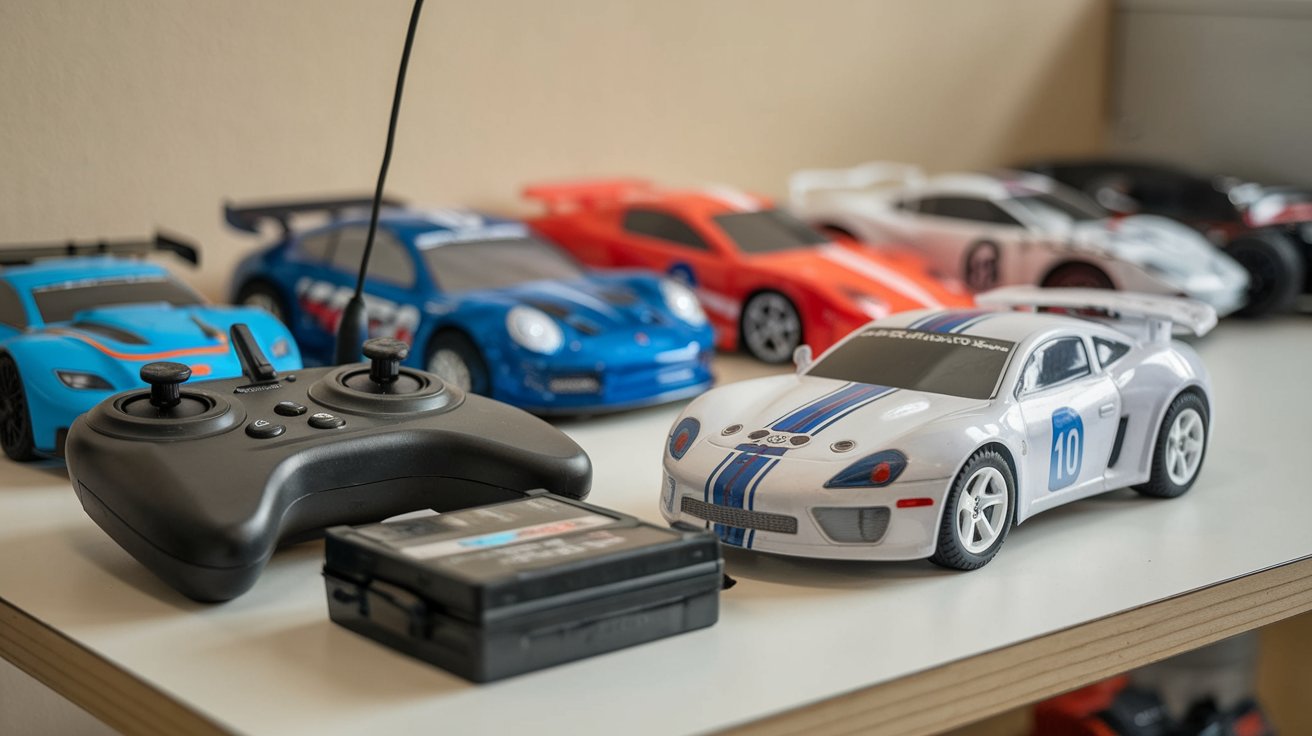
Ready to run RC cars are completely assembled remote control vehicles that require minimal setup before operation. Unlike kit cars that demand extensive building time, these models come with installed electronics, painted bodies, and factory-calibrated settings. The typical ready to run package includes the vehicle, transmitter, battery, and charger, allowing drivers to start racing within minutes of unboxing.
The ready to run format has become the industry standard in 2025, accounting for approximately 85% of all RC car sales in the United States. This popularity stems from the convenience factor and improved quality control that manufacturers achieve through factory assembly. Modern ready to run vehicles often feature sophisticated electronic speed controllers, high-torque servo systems, and durable composite materials that match or exceed kit car performance.
Key Components of Ready to Run Systems
Every ready to run RC car includes essential components carefully matched for optimal performance. The electronic speed controller regulates motor power and provides smooth acceleration curves, while the steering servo delivers precise directional control. Modern systems incorporate 2.4GHz radio technology for interference-free operation and extended range capabilities exceeding 500 feet in open areas.
Factory Assembly Advantages
Factory assembly ensures consistent build quality and eliminates common rookie mistakes that can damage expensive components. Professional technicians use specialized tools and testing equipment to verify proper gear mesh, shock dampening, and electronic calibration. This attention to detail results in longer component life and reduced maintenance requirements compared to user-assembled alternatives.
Top Ready to Run RC Car Categories
The ready to run RC car market encompasses diverse vehicle categories designed for specific driving styles and terrains. On-road cars excel on smooth surfaces with high-speed capabilities and precise handling characteristics, while off-road models tackle rough terrain with robust suspension systems and aggressive tire treads. Each category offers unique advantages based on intended use and driving environment.
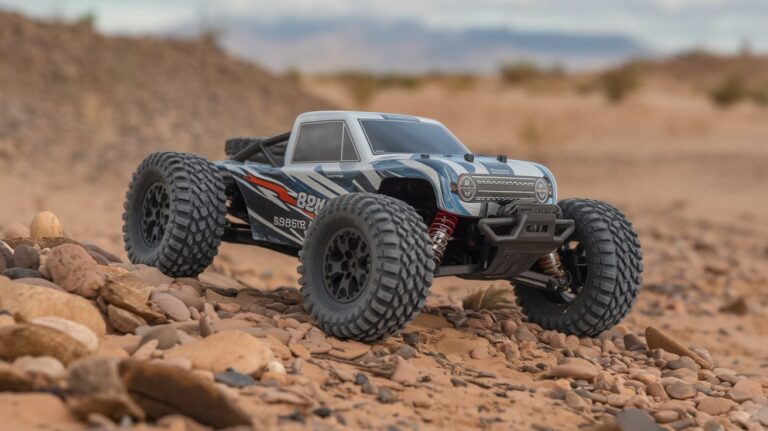
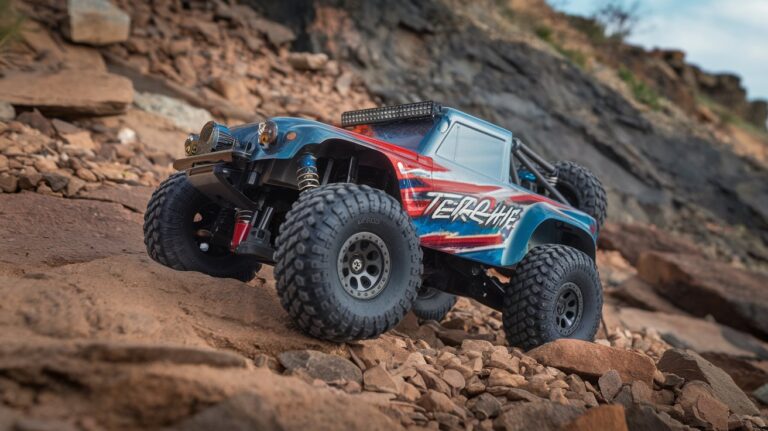
Stadium trucks represent a popular middle ground, combining off-road durability with manageable size and moderate speed capabilities. These versatile vehicles perform well on various surfaces and provide excellent crash resistance for aggressive driving styles. Scale crawlers focus on realistic appearance and technical climbing ability rather than speed, appealing to enthusiasts who prioritize detailed operation over racing performance.
On-Road Racing Models
On-road ready to run RC cars achieve impressive speeds exceeding 70 mph in 1/10 scale configurations. These vehicles feature low-profile chassis designs, specialized racing tires with minimal tread patterns, and aerodynamic body shells that reduce drag at high velocities. Popular models include touring cars, drift cars, and formula-style racers optimized for smooth pavement operation.
Off-Road Adventure Vehicles
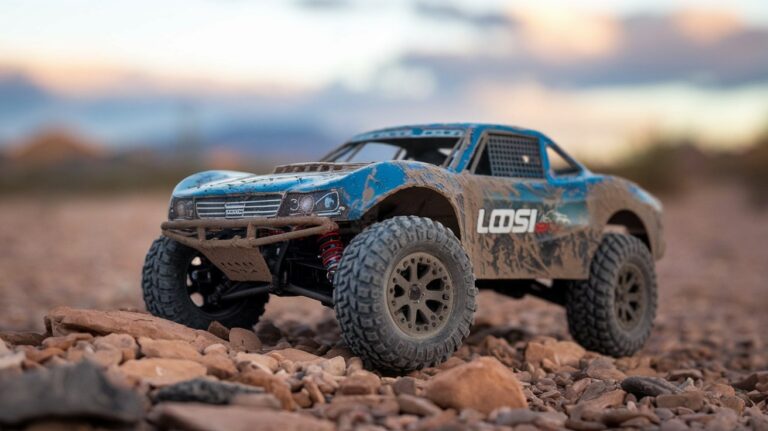
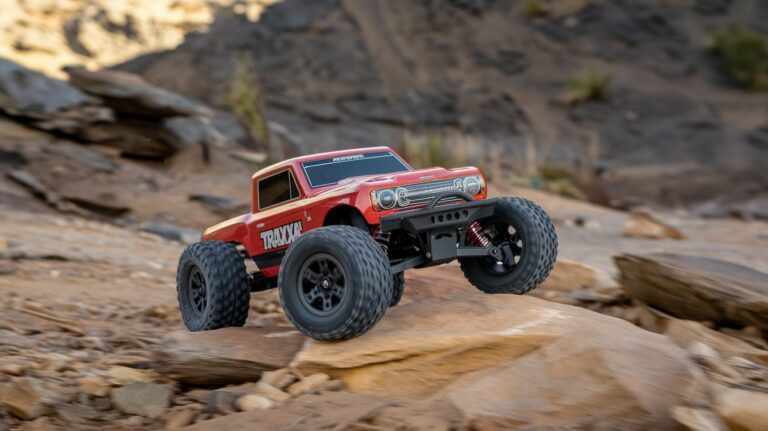
Off-road models prioritize durability and versatility over maximum speed, typically featuring longer suspension travel, protective body mounting systems, and aggressive tire compounds. Monster trucks, short course trucks, and buggy-style vehicles dominate this category, offering excellent performance on dirt, grass, gravel, and moderate terrain obstacles.
Leading Ready to Run RC Car Brands in 2025
Traxxas continues to dominate the ready to run RC car market with comprehensive model lines spanning every major category and price point. Their vehicles consistently receive praise for build quality, parts availability, and customer support infrastructure throughout the United States. The company’s TQi radio system and VXL brushless power systems set industry benchmarks for reliability and performance.
Associated Electrics maintains its reputation for racing-oriented vehicles with ready to run versions of their championship-winning designs. ARRMA focuses on aggressive styling and robust construction suitable for bash-style driving, while Losi offers precision-engineered models that balance performance with user-friendly operation. Each brand brings distinct advantages and caters to specific enthusiast preferences.
Premium Brand Features
Top-tier manufacturers integrate advanced technologies including telemetry systems, smartphone connectivity, and programmable electronic components. These features allow users to monitor vehicle performance, adjust settings remotely, and access diagnostic information for optimal maintenance schedules. Premium brands also provide comprehensive warranty coverage and nationwide service networks.
Value-Oriented Options
Budget-friendly brands like Redcat Racing and WLtoys offer affordable ready to run alternatives without sacrificing essential performance characteristics. These manufacturers focus on cost-effective manufacturing while maintaining acceptable quality standards, making RC cars accessible to entry-level enthusiasts and casual users seeking recreational entertainment.
Scale Sizes and Performance Characteristics
Scale size significantly impacts ready to run RC car performance, handling characteristics, and suitable operating environments. The popular 1/10 scale provides an ideal balance of size, speed, and durability for most applications, measuring approximately 17-20 inches in length depending on vehicle type. These models offer substantial presence while remaining manageable for transport and storage in typical residential settings.
Smaller 1/18 and 1/24 scale vehicles excel in indoor operation and tight spaces where larger models would be impractical. Despite their compact dimensions, modern small-scale ready to run cars deliver impressive performance with brushless motor systems and sophisticated electronic packages. Larger 1/8 and 1/5 scale models provide maximum realism and power but require significant space and higher maintenance commitments.
Power Systems and Battery Technology
Modern ready to run RC cars predominantly utilize brushless motor systems that deliver superior efficiency, longevity, and power output compared to traditional brushed alternatives. These motors operate silently, generate less heat, and require minimal maintenance while providing instant throttle response and consistent performance throughout the battery discharge cycle.
Lithium polymer battery technology has become standard in 2025, offering high energy density and rapid charging capabilities that minimize downtime between driving sessions. Typical runtime ranges from 15-30 minutes depending on driving style and vehicle configuration, with fast chargers reducing charging time to under one hour for most applications.
Battery Safety and Maintenance
Proper LiPo battery handling requires specific charging procedures and storage protocols to ensure safety and maximize lifespan. Modern ready to run chargers include built-in balancing circuits and safety cutoffs that prevent overcharging and cell damage. Users must monitor battery voltage and avoid over-discharge conditions that can permanently reduce capacity.
Motor Performance Specifications
Brushless motors in ready to run systems typically range from 3500KV to 6500KV ratings, with higher KV numbers producing increased RPM and speed capabilities. The electronic speed controller must match motor specifications to prevent overheating and ensure optimal performance across the entire throttle range.
Pricing Structure and Value Analysis
Entry-level ready to run RC cars start around $80-150 and provide excellent introduction to the hobby with basic brushed motor systems and standard radio equipment. These models offer sufficient performance for casual use while including all necessary components for immediate operation. Mid-range options between $200-400 typically feature brushless power systems, improved build quality, and enhanced durability for regular use.
Premium ready to run vehicles exceeding $500 incorporate racing-grade components, advanced electronics, and sophisticated chassis designs that rival custom-built alternatives. These models justify their higher cost through superior performance, extensive tuning options, and comprehensive parts support that enables long-term upgrades and modifications.
Maintenance and Upgrade Considerations
Ready to run RC cars require minimal initial maintenance but benefit from regular inspection and basic service procedures to ensure optimal performance and longevity. Essential maintenance tasks include cleaning debris from chassis components, checking fastener tightness, and monitoring tire wear patterns that indicate alignment or suspension issues.
The upgrade potential of ready to run vehicles varies significantly between models and manufacturers. Popular upgrade paths include improved servo systems, high-capacity batteries, and performance tire compounds that enhance specific operating characteristics. Many enthusiasts begin with ready to run vehicles and gradually upgrade components based on their evolving interests and driving style preferences.
Beginner Tips for Ready to Run Success
New ready to run RC car owners should start with moderate speed settings and gradually increase performance as their driving skills develop. Most modern vehicles include adjustable speed limits and dual-rate steering settings that allow beginners to learn basic control techniques without overwhelming speed or sensitivity issues that can lead to crashes and damage.
Proper surface selection significantly impacts the learning experience and vehicle longevity. Smooth pavement or short grass provides ideal conditions for initial practice sessions, while rough terrain and obstacles should be avoided until drivers develop confidence and control proficiency. Regular practice in controlled environments builds muscle memory and reaction skills necessary for safe operation at higher speeds.
Related video about ready to run rc cars
This video complements the article information with a practical visual demonstration.
Most asked questions about ready to run rc cars
How long does it take to set up a ready to run RC car?
Most ready to run RC cars require only 10-15 minutes of initial setup, including battery charging, transmitter preparation, and basic range testing. The vehicle arrives fully assembled with electronics installed, eliminating hours of building time required for kit cars.
What is the typical speed range of ready to run RC cars?
Ready to run RC cars achieve speeds ranging from 15 mph for entry-level models to over 70 mph for high-performance versions. Most popular models in the $200-400 range reach 35-50 mph, providing exciting performance while remaining manageable for most drivers.
Do ready to run RC cars require special tools for maintenance?
Basic maintenance requires only common tools like hex drivers, screwdrivers, and cleaning supplies. Most ready to run vehicles include necessary tools for initial setup and minor adjustments, while major repairs may require specialized equipment available from RC retailers.
Can ready to run RC cars be upgraded and modified?
Yes, most ready to run RC cars accept a wide range of aftermarket upgrades including motors, electronics, suspension components, and body shells. Popular upgrade paths focus on improved speed, handling, or durability based on individual driving preferences and budget considerations.
What is the typical battery life and charging time for ready to run RC cars?
Modern ready to run RC cars provide 15-30 minutes of runtime per charge depending on driving style and vehicle configuration. Fast chargers included with premium models complete charging cycles in 30-60 minutes, while basic chargers may require 2-3 hours for full capacity.
Are ready to run RC cars suitable for competitive racing?
Many ready to run RC cars excel in competitive racing environments, particularly models from established manufacturers like Traxxas, Associated, and ARRMA. These vehicles often serve as the foundation for race-ready builds with minimal modifications required for local track competition.
| Key Feature | Ready to Run Advantage | User Benefit |
|---|---|---|
| Factory Assembly | Professional build quality with tested components | Immediate operation with reduced failure risk |
| Complete Package | All necessary components included | No additional purchases required to start |
| Modern Electronics | 2.4GHz radio and brushless power systems | Reliable performance with extended range |
| Warranty Support | Comprehensive manufacturer backing | Protected investment with service options |