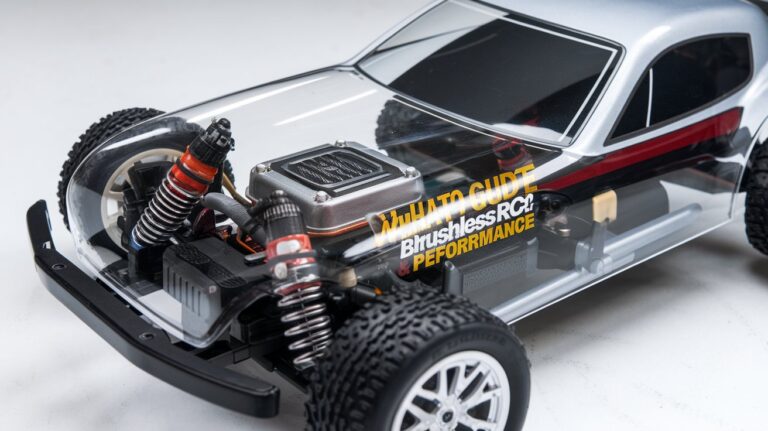
Best Beginner RC Cars 2025: Complete Guide for New Drivers
Choosing your first beginner rc car can be overwhelming with hundreds of options available in 2025. This comprehensive guide covers everything new drivers need to know, from the best entry-level models to essential features and safety tips. Whether you’re shopping for yourself or a loved one, you’ll find expert recommendations and practical advice to make the perfect choice.
What Makes a Good Beginner RC Car
The best beginner rc car should balance affordability, durability, and ease of use. New drivers need vehicles that can handle crashes while learning basic controls and techniques. Key features include simple 2-channel control, reasonable speed limits, and readily available replacement parts. Most importantly, beginner models should provide enough excitement to keep interest alive without overwhelming new operators with complex features.
Price points for quality beginner rc cars in 2025 typically range from $50 to $200, offering excellent value for new enthusiasts. Higher-priced options often include better build quality, longer battery life, and more realistic details. However, expensive doesn’t always mean better for beginners, as simpler designs often prove more reliable and easier to maintain during the crucial learning phase.
Essential Features for New RC Drivers
Modern beginner rc cars should include proportional steering and throttle control, allowing smooth and precise movements. Look for models with adjustable speed limits or training modes that restrict top speed while learning. Digital proportional radio systems provide better range and interference resistance compared to older analog systems, making them essential for outdoor use in 2025.
Build Quality and Durability Standards
Quality beginner rc cars feature impact-resistant plastic bodies and reinforced chassis designs that withstand typical beginner crashes. Metal components in critical stress areas like drive shafts and steering linkages ensure longevity. Waterproof or water-resistant electronics protect against moisture damage, while modular designs allow easy part replacement when repairs become necessary.
Top Beginner RC Car Types in 2025
The RC car market offers several distinct categories perfect for beginners, each with unique advantages and characteristics. Understanding these types helps narrow down choices based on intended use, available space, and personal preferences. Beginner rc car enthusiasts should consider where they’ll primarily drive, whether indoors, outdoors, or both environments.
Electric models dominate the beginner market due to their simplicity, cleanliness, and immediate readiness to run. Battery technology improvements in 2025 provide longer run times and faster charging, making electric beginner rc cars more appealing than ever. Most quality models now include rechargeable battery packs and appropriate chargers in the box.
On-Road Racing Cars for Smooth Surfaces
On-road beginner rc cars excel on smooth surfaces like pavement, gym floors, and parking lots. These models typically reach higher speeds than off-road versions but require cleaner driving environments. Their low-profile tires and aerodynamic bodies provide excellent handling on smooth surfaces while teaching fundamental driving skills like cornering and throttle control.
Off-Road Trucks for Versatile Terrain
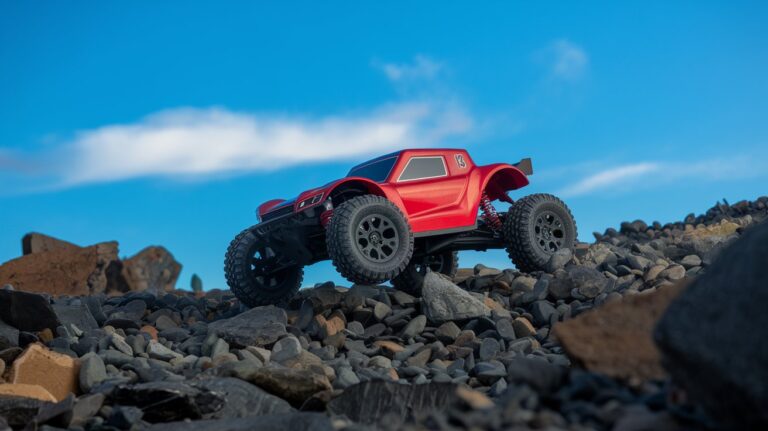
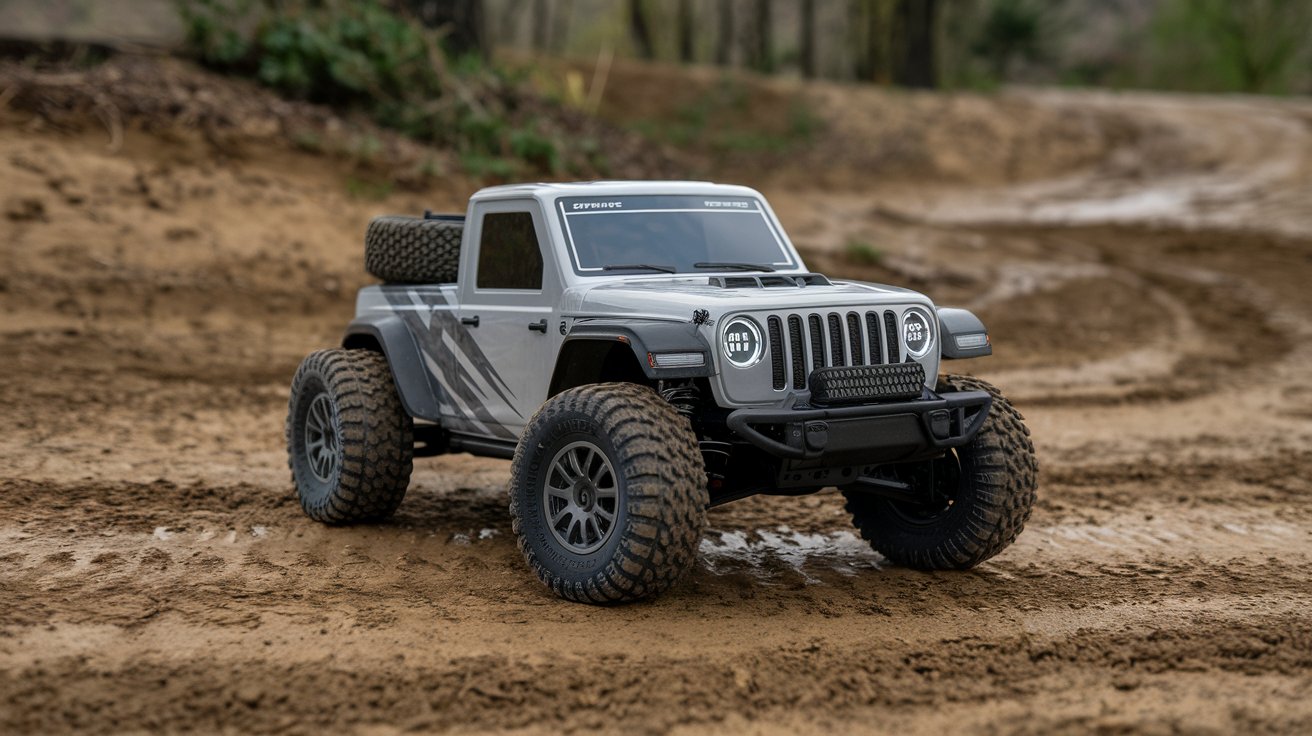
Off-road beginner rc cars handle grass, dirt, gravel, and light trail conditions with ease. Higher ground clearance, knobby tires, and robust suspension systems allow these models to tackle various terrains that would stop on-road cars. They’re generally more forgiving of rough handling and provide excellent learning platforms for developing advanced driving techniques.
Best Beginner RC Car Brands and Models 2025
Several manufacturers consistently produce exceptional beginner rc cars that combine quality, affordability, and support. Traxxas leads the market with their Slash and Bandit series, offering bulletproof reliability and extensive parts availability. Their models consistently rank among the most recommended beginner rc cars by hobby shops and experienced enthusiasts alike.
Arrma’s Granite and Typhon series provide excellent value with powerful brushless systems and durable construction. These beginner rc cars offer performance that rivals more expensive models while maintaining beginner-friendly operation. ECX and Team Associated also produce quality entry-level options that balance performance with affordability for new drivers.
Ready-to-Run vs Kit Options
Ready-to-run (RTR) beginner rc cars include everything needed to start driving immediately, making them ideal for new enthusiasts. These complete packages typically include the car, transmitter, receiver, and battery system. Kit options require assembly and separate electronics purchase, offering learning opportunities but requiring more initial investment and technical knowledge.
Scale Size Considerations
Most beginner rc cars come in 1/10 scale, providing an excellent balance of size, performance, and handling. Smaller 1/16 and 1/18 scale models work well for indoor use and tight spaces but may lack power for outdoor adventures. Larger 1/8 scale options offer impressive performance but require more storage space and typically cost more to maintain.
Power Systems: Electric vs Nitro for Beginners
Electric beginner rc cars dominate the entry-level market due to their simplicity, cleanliness, and immediate operation. Modern brushless electric systems provide impressive power and efficiency while requiring minimal maintenance. Battery technology improvements in 2025 offer longer run times, with many beginner rc cars running 15-25 minutes on a single charge.
Nitro-powered beginner rc cars offer realistic engine sounds and longer continuous operation but require more maintenance and experience. These models need fuel mixing, engine tuning, and regular cleaning, making them less suitable for absolute beginners. Electric models allow new drivers to focus on developing driving skills without worrying about engine management.
Budget Planning for Your First RC Car
Quality beginner rc cars in 2025 start around $100 for basic ready-to-run models, with premium options reaching $250-300. Budget an additional $50-100 for essential accessories like spare batteries, basic tools, and replacement parts. Many beginners underestimate ongoing costs, so planning for maintenance and eventual upgrades ensures long-term enjoyment of the hobby.
Consider the total cost of ownership when selecting a beginner rc car, including battery replacements, broken parts, and potential upgrades. Models with readily available, affordable parts typically cost less to maintain over time. Some manufacturers offer excellent warranty coverage and customer support, adding value to slightly higher initial investments.
Essential Accessories and Tools
Every beginner rc car owner needs basic tools including hex drivers, screwdrivers, and pliers for maintenance and repairs. Spare batteries extend driving sessions, while a quality charger prevents battery damage and reduces charging time. Consider protective cases for transport and storage to keep your investment safe during transport to driving locations.
Ongoing Maintenance Costs
Regular maintenance keeps beginner rc cars running smoothly and prevents costly repairs. Budget for replacement tires, shock oil, and bearings as these wear items need periodic replacement. Electronics like servos and speed controllers typically last years with proper care, while mechanical components may need attention based on driving frequency and conditions.
Safety Tips for New RC Car Drivers
Operating beginner rc cars safely protects both people and property while ensuring maximum enjoyment. Always check local regulations regarding RC vehicle operation, as some areas restrict use in public spaces. Start in large, open areas away from people, pets, and valuable property until developing confidence and control skills.
Modern beginner rc cars can reach speeds exceeding 25-30 mph, requiring respect and caution during operation. Never drive toward people or animals, and always maintain visual contact with your vehicle. Consider starting with speed limits engaged until comfortable with basic controls and stopping distances.
Choosing Safe Driving Locations
Ideal locations for beginner rc car operation include empty parking lots, parks with designated areas, and private property with permission. Avoid busy streets, sidewalks, and areas with heavy foot traffic. Many communities have dedicated RC tracks or clubs that provide safe, legal driving environments with other enthusiasts for learning and support.
Pre-Drive Safety Checks
Perform basic safety inspections before each beginner rc car session, checking battery connections, steering response, and throttle operation. Ensure all screws remain tight and wheels are properly secured. Test radio range and interference in the driving area before beginning high-speed operation to prevent loss of control situations.
Learning Resources for New RC Enthusiasts
Numerous online communities provide valuable support for beginner rc car enthusiasts, offering tutorials, troubleshooting help, and buying advice. YouTube channels dedicated to RC cars provide visual learning opportunities for maintenance, driving techniques, and product reviews. Many manufacturers also offer comprehensive online manuals and support resources for their models.
Local hobby shops remain invaluable resources for beginner rc car owners, providing hands-on advice, parts availability, and often hosting events or racing leagues. Building relationships with experienced enthusiasts accelerates the learning process and provides ongoing support as skills develop. Many clubs welcome beginners and offer mentorship opportunities for new drivers.
Related video about beginner rc car
This video complements the article information with a practical visual demonstration.
Questions & Answers
What’s the best beginner RC car for a complete novice?
The Traxxas Slash 2WD RTR is widely considered the best beginner RC car in 2025. It offers excellent durability, simple operation, extensive parts support, and reasonable pricing around $200. This model handles both on-road and light off-road conditions while providing room for future upgrades as skills develop.
How much should I spend on my first RC car?
Plan to spend $100-200 for a quality beginner RC car, plus another $50-100 for essential accessories like spare batteries and basic tools. Avoid ultra-cheap models under $50 as they often lack durability and support. Investing in a quality starter car ensures better performance and longer enjoyment of the hobby.
Are electric or nitro RC cars better for beginners?
Electric RC cars are significantly better for beginners due to their simplicity, cleanliness, and immediate operation. They require minimal maintenance and allow new drivers to focus on developing skills rather than engine management. Modern electric systems provide excellent performance and are ready to run straight from the box.
What tools do I need for RC car maintenance?
Basic RC car maintenance requires hex drivers (1.5mm, 2mm, 2.5mm, 3mm), Phillips and flathead screwdrivers, needle-nose pliers, and a basic toolkit. Many manufacturers include specific tools with their kits. As skills develop, consider adding a soldering iron, shock oil, and thread locker for advanced maintenance tasks.
Where can I legally drive my RC car?
Safe and legal RC car locations include empty parking lots, designated park areas, private property with permission, and dedicated RC tracks. Avoid public sidewalks, busy streets, and crowded areas. Check local regulations as some municipalities have specific rules about RC vehicle operation in public spaces.
How fast do beginner RC cars go?
Most beginner RC cars reach speeds of 15-30 mph depending on the model and power system. Many include speed limiting features or training modes that restrict top speed while learning. This speed range provides plenty of excitement while remaining manageable for new drivers developing control skills.
| Key Aspect | Important Details | Benefit |
|---|---|---|
| Budget Range | $100-200 for quality RTR models | Balanced performance and affordability |
| Power Type | Electric systems recommended | Simple operation, minimal maintenance |
| Scale Size | 1/10 scale optimal for beginners | Great size/performance balance |
| Top Brands | Traxxas, Arrma, ECX recommended | Proven reliability and parts support |
| Speed Range | 15-30 mph with limiting options | Exciting yet controllable for learning |