RC Drag Cars 2025: Best Models, Tuning & Racing Guide
RC drag cars represent the pinnacle of remote control speed, featuring purpose-built chassis designed for straight-line acceleration and quarter-mile dominance. These specialized vehicles combine lightweight construction with high-torque motors to achieve speeds exceeding 100 mph in competitive drag racing events across the United States.
Best RC Drag Cars for 2025
The current market offers exceptional RC drag car models designed for both beginners and professional racers. Top manufacturers like Traxxas, Associated, and XRAY have released cutting-edge designs featuring improved aerodynamics and advanced electronics. These vehicles typically measure between 12-15 inches in length with specialized drag racing tires for maximum traction.
Premium drag racing RC cars in 2025 incorporate brushless motors producing over 4000 KV, carbon fiber chassis components, and adjustable suspension systems. Professional-grade models range from $300 to $800, while entry-level options start around $150. The investment proves worthwhile for serious racers seeking consistent sub-7-second quarter-mile times.
Top-Rated RC Drag Car Models
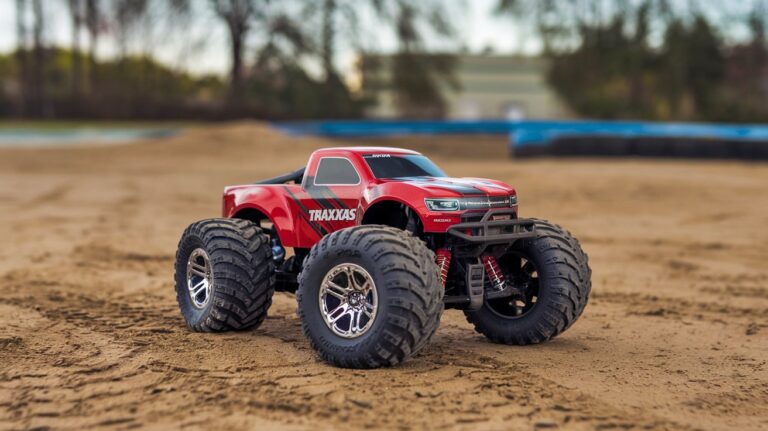
The Traxxas Funny Car stands out as the most popular RC drag car among American hobbyists, featuring a detailed replica body and proven TSM stability management. The Team Associated DR10 Drag Race Car offers exceptional value with its durable construction and upgrade-friendly platform. For premium performance, the XRAY X12 delivers professional-level specifications used in NHRA-sanctioned RC events.
Budget vs Premium RC Drag Cars
Budget RC drag racing cars under $200 provide excellent entry points with basic electronic speed controllers and brushed motors. Mid-range options between $200-400 feature brushless systems and improved chassis rigidity. Premium models exceeding $500 include advanced telemetry systems, titanium hardware, and championship-proven designs capable of consistent 6-second quarter-mile runs.
RC Drag Car Performance Tuning
Optimizing RC drag car performance requires systematic attention to motor timing, gear ratios, and suspension setup. Professional tuners recommend starting with motor timing adjustments between 15-25 degrees, depending on track conditions and battery chemistry. Proper gear ratios typically range from 3.5:1 to 5.0:1 for optimal acceleration without sacrificing top speed.
Weight distribution plays a crucial role in drag racing performance, with ideal front-to-rear balance around 45:55 for most chassis designs. Adding strategic ballast helps achieve consistent launches while maintaining stability during high-speed runs. Suspension tuning involves stiffening rear springs while softening front dampening to maximize weight transfer during acceleration.
Motor and Electronics Optimization
Brushless motor selection significantly impacts RC drag car speed and acceleration characteristics. High-torque motors with lower KV ratings (3000-4000) provide better launch performance, while higher KV motors (4500-6000) excel in top-speed applications. Electronic speed controllers must handle at least 120 amps continuous current for competitive drag racing applications.
Chassis and Suspension Setup
Professional RC drag car tuning requires precise chassis adjustments for optimal weight transfer and traction. Lowering the front end by 2-3mm while raising the rear creates favorable launch geometry. Adjustable shock mounting positions allow fine-tuning of anti-squat characteristics, with 90-100% anti-squat recommended for most drag racing applications.
RC Drag Racing Techniques and Strategy
Mastering RC drag racing requires developing consistent launch techniques and understanding track conditions. Professional drivers practice staging procedures to achieve optimal reaction times, typically aiming for 0.3-0.5 seconds after the green light. Throttle modulation during the first 50 feet prevents tire spin while maximizing acceleration potential.
Advanced racing strategy involves reading track surface conditions and adjusting driving style accordingly. Prepared tracks with VHT TrackBite require aggressive early throttle application, while natural surfaces demand gradual power delivery. Weather conditions significantly affect drag racing performance, with cooler temperatures generally producing faster elapsed times due to increased air density and improved motor cooling.
Popular RC Drag Racing Classes and Competitions
American RC drag racing features multiple competitive classes designed to accommodate different skill levels and budgets. The ROAR National Championship includes Pro Modified, Super Street, and Junior Dragster divisions with specific technical regulations. Entry-level Sportsman classes welcome beginners with simplified rules and cost-effective vehicle requirements.
Professional RC drag car racing events occur year-round across the United States, with major competitions in Texas, California, and Florida. The NHRA RC Drag Racing Series attracts top talent competing for national championships and cash prizes exceeding $50,000 annually. Local club events provide accessible competition opportunities with typical entry fees ranging from $20-40 per class.
ROAR Sanctioned Racing Classes
ROAR-sanctioned RC drag racing classes maintain strict technical specifications ensuring fair competition. Pro Modified allows unlimited modifications with minimum weight requirements of 3.5 pounds. Super Street restricts motor specifications while permitting chassis modifications, creating competitive parity among diverse vehicle platforms. Junior classes introduce young racers to the sport with safety-focused regulations.
Local and Regional Competition Structure
Regional RC drag racing circuits provide structured competition pathways from local club events to national championships. Point series track annual performance across multiple events, rewarding consistency alongside raw speed. Most regions host monthly championship events with season-ending championships featuring enhanced prize packages and national qualifying opportunities.
Essential RC Drag Car Maintenance
Proper maintenance ensures consistent RC drag car performance and prevents costly mechanical failures during competition. Weekly inspection schedules should include checking all fasteners, cleaning motor cooling fans, and verifying electronic connections remain secure. High-performance applications generate significant stress requiring more frequent component replacement compared to recreational use.
Professional racers maintain detailed logbooks tracking component usage and performance data. Critical wear items include pinion gears, differential components, and shock oil requiring replacement every 20-30 runs depending on track conditions. Investing in quality maintenance tools and spare components prevents race-day mechanical issues that could compromise championship aspirations.
RC Drag Car Safety and Track Requirements
RC drag racing safety protocols protect participants and spectators during high-speed events exceeding 100 mph. All vehicles must pass technical inspection verifying secure body mounting, functional kill switches, and properly installed safety equipment. Track barriers must withstand potential impacts while providing adequate runoff areas beyond the finish line.
Insurance requirements vary by venue and sanctioning organization, with most facilities requiring participant liability waivers and ROAR membership. Professional events mandate additional safety equipment including fire extinguishers, first aid stations, and trained medical personnel on-site. Driver safety gear recommendations include safety glasses and closed-toe footwear during practice and competition sessions.
Related video about rc drag cars
This video complements the article information with a practical visual demonstration.
Key Questions and Answers
What is the fastest RC drag car available in 2025?
The fastest RC drag cars in 2025 can exceed 100 mph with professional tuning and optimal conditions. Top models like the XRAY X12 and modified Traxxas vehicles achieve quarter-mile times under 6 seconds when properly configured with high-output brushless motors and advanced electronics.
How much does a competitive RC drag car cost?
Competitive RC drag cars range from $300-800 for complete ready-to-run packages. Entry-level models start around $150, while championship-winning setups with premium electronics and modifications can exceed $1,200. Budget considerations should include batteries, chargers, and spare parts for ongoing maintenance.
What motor is best for RC drag racing?
Brushless motors with 3000-4500 KV ratings provide optimal performance for RC drag racing. High-torque motors excel in acceleration while maintaining controllable power delivery. Popular choices include Castle Creations, Hobbywing, and Team Powers motors designed specifically for drag racing applications with appropriate cooling and timing capabilities.
Where can I race RC drag cars in the United States?
RC drag racing venues operate throughout the United States with major facilities in Texas, California, Florida, and the Southeast. ROAR-sanctioned tracks host regular competitions while local clubs organize practice sessions and regional events. Online directories help locate nearby facilities and racing schedules for all skill levels.
What batteries work best for RC drag cars?
High-discharge LiPo batteries rated for 50C or higher provide optimal power for RC drag racing. 2S configurations offer good speed while 3S setups deliver maximum performance for experienced racers. Quality brands like Gens Ace, SMC, and MaxAmps produce racing-specific batteries with consistent voltage delivery and reliable construction.
How do I get started in RC drag racing?
Getting started in RC drag racing begins with joining a local club and attending events as a spectator. Purchase an entry-level drag car or convert an existing RC vehicle with appropriate tires and gearing. Practice basic driving techniques and learn track rules before entering formal competition classes designed for beginners.
| RC Drag Car Aspect | Key Specifications | Performance Benefit |
|---|---|---|
| Brushless Motor | 3000-4500 KV, High Torque | Consistent Sub-7 Second Runs |
| Chassis Design | Carbon Fiber, Low CG | Improved Launch Stability |
| Electronics | 120A+ ESC, 2S-3S LiPo | Maximum Power Delivery |
| Tire Selection | Drag Racing Compound | Superior Traction Control |