Best Nitro RC Trucks 2025: Complete Buyer’s Guide
Nitro RC trucks represent the pinnacle of remote-controlled vehicle excitement, combining high-speed performance with realistic engine sounds and authentic racing experiences. These fuel-powered machines deliver unmatched thrills through their nitromethane engines, offering speeds exceeding 50 mph and the genuine racing atmosphere that electric models simply cannot match.
What Are Nitro RC Trucks
Nitro RC trucks are radio-controlled vehicles powered by nitromethane fuel engines, typically ranging from .12 to .32 cubic inches in displacement. Unlike electric RC cars, these trucks feature internal combustion engines that produce realistic exhaust smoke, engine sounds, and require fuel mixing and tuning skills. The nitro fuel mixture usually contains 10-40% nitromethane, methanol, and oil, creating the explosive power that propels these machines to impressive speeds.
These trucks come in various scales, with 1/8 scale nitro trucks being the most popular choice among enthusiasts due to their balance of size, power, and handling characteristics. The authentic engine experience includes warm-up procedures, break-in periods, and regular maintenance that mirrors real automotive engines, making nitro RC trucks the preferred choice for serious hobbyists seeking maximum realism.
Top Nitro RC Truck Models for 2025
The 2025 nitro RC truck market features exceptional models that showcase advanced engineering and superior performance capabilities. Leading manufacturers have introduced innovative designs with improved durability, enhanced power delivery, and refined handling characteristics that cater to both beginners and experienced racers seeking high-performance nitro trucks.
Best Entry-Level Nitro RC Trucks
The Traxxas Revo 3.3 remains the top choice for newcomers, featuring a TRX 3.3 Racing Engine, innovative suspension geometry, and user-friendly maintenance access. Priced around $549, this truck delivers 40+ mph speeds with excellent stability and comprehensive support through Traxxas’s extensive dealer network. The included EZ-Start electric starting system eliminates the hassle of pull-cord starting, making it perfect for beginners entering the nitro RC hobby.
Professional Racing Nitro Trucks
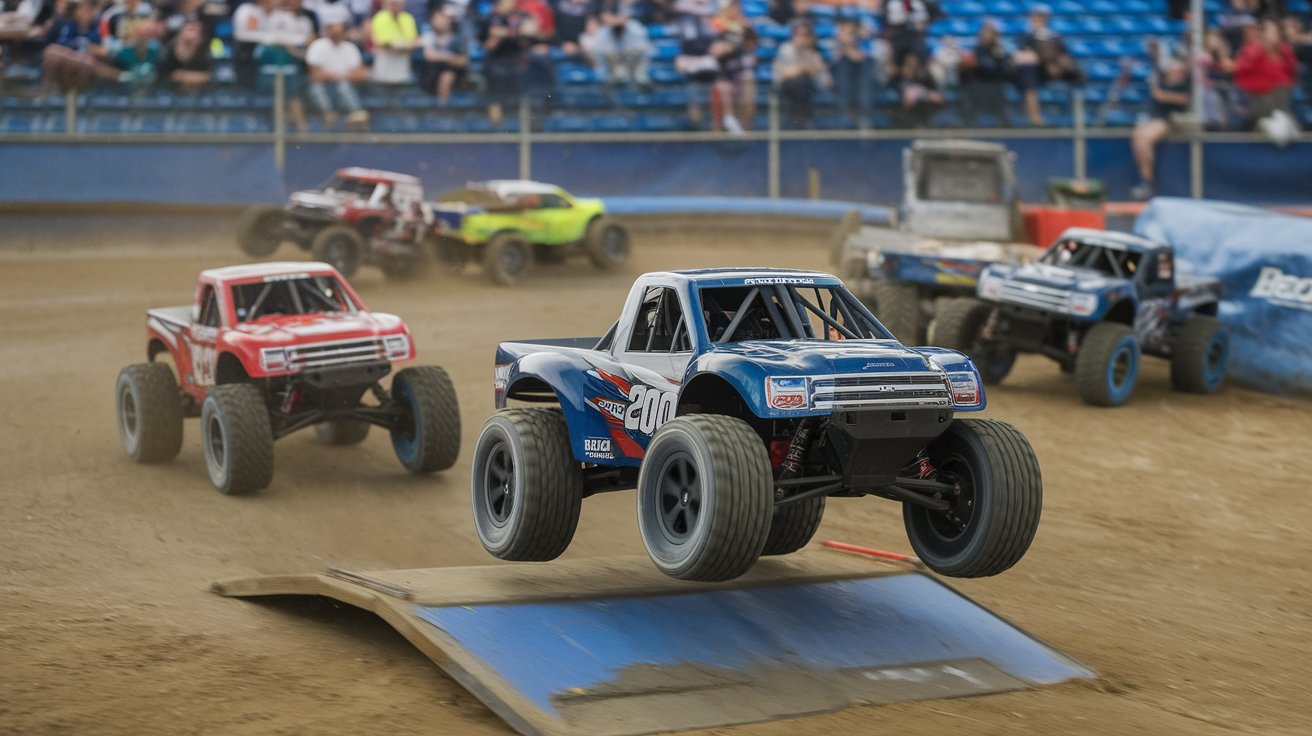
The LOSI 8IGHT-X Elite Race Kit represents the pinnacle of competitive nitro racing, featuring a precision-machined aluminum chassis, adjustable suspension components, and compatibility with high-performance racing engines. Professional racers choose this $899 platform for its proven track record in ROAR-sanctioned events and its ability to accept extensive modifications for maximum nitro truck performance.
Nitro RC Truck Engine Specifications
Nitro engines are classified by their displacement volume measured in cubic inches, with common sizes including .12, .15, .18, .21, and .32 engines. The larger the displacement, the more power the engine produces, but also requires more fuel and generates additional heat. Most 1/8 scale trucks utilize .21 cubic inch engines that produce approximately 2.5-3.5 horsepower, delivering exceptional power-to-weight ratios that enable impressive acceleration and top speeds.
Engine tuning involves adjusting the high-speed needle valve, low-speed needle valve, and idle speed screw to optimize performance for different conditions. Proper nitro engine tuning ensures maximum power output while maintaining engine longevity, requiring understanding of air-fuel mixture principles and recognition of engine temperature indicators through sound and exhaust smoke characteristics.
Essential Nitro RC Truck Maintenance
Regular maintenance ensures optimal nitro truck performance and extends engine life significantly. After each running session, operators must clean the air filter, inspect the fuel system for leaks, and apply after-run oil to prevent internal corrosion. The nitromethane fuel’s corrosive properties require thorough cleaning of all fuel system components and metal surfaces exposed to exhaust residue.
Weekly Maintenance Tasks
Weekly maintenance includes checking suspension components for wear, inspecting drive belts or gears for damage, and verifying radio system functionality. Nitro RC maintenance also involves cleaning the chassis thoroughly, lubricating bearings with appropriate RC-specific lubricants, and checking tire wear patterns that indicate alignment issues or suspension problems requiring attention.
Seasonal Storage Procedures
Long-term storage requires draining all fuel from the tank and fuel lines, applying generous amounts of after-run oil through the engine, and storing the truck in a climate-controlled environment. Remove batteries from the radio system and store them separately to prevent corrosion damage. Proper nitro truck storage prevents costly repairs and ensures reliable performance when returning to active use.
Nitro Fuel Types and Selection
Nitro fuel composition significantly affects engine performance, with higher nitromethane percentages providing increased power but requiring more precise tuning and generating additional heat. Standard recreational fuel contains 20% nitromethane, while racing fuel may contain 30-40% for maximum performance. The methanol serves as the primary fuel component, while synthetic oil provides lubrication for internal engine components.
Fuel selection depends on engine specifications, intended use, and operator experience level. Beginners should start with lower nitromethane percentages to learn proper tuning techniques before advancing to high-performance fuel blends. Quality nitro fuel brands like Byron’s, Traxxas, and O’Donnell maintain consistent formulations that ensure reliable engine operation and predictable performance characteristics.
Safety Considerations for Nitro RC Trucks
Nitro RC safety requires understanding the hazards associated with fuel handling, engine operation, and high-speed vehicle control. Always operate trucks in open areas away from people, buildings, and dry vegetation, as exhaust temperatures can exceed 500°F. Wear safety glasses when starting engines and handling fuel, and keep a fire extinguisher rated for fuel fires readily accessible during operation.
Fuel storage requires sealed containers kept in cool, dry locations away from ignition sources and direct sunlight. Never smoke or use open flames near nitro fuel, and ensure adequate ventilation when operating engines indoors. Proper nitro fuel handling includes using fuel pumps or squeeze bottles to prevent spills and wearing nitrile gloves to avoid skin contact with fuel components.
Performance Modifications and Upgrades
Popular nitro truck modifications include upgrading to aluminum shock towers, installing adjustable turnbuckles, and adding performance air filters for improved engine breathing. Suspension upgrades like oil-filled shocks, stiffer springs, and anti-roll bars enhance handling characteristics and allow fine-tuning for specific track conditions or driving preferences.
Engine modifications require careful consideration of compatibility and intended use. High-performance modifications like ported cylinders, racing carburetors, and tuned exhaust systems can significantly increase power output but may reduce engine longevity and require expert tuning knowledge. Always verify that performance upgrades comply with racing organization rules if competitive participation is planned.
Choosing the Right Scale Size
RC truck scales range from compact 1/10 scale models to massive 1/5 scale machines, each offering distinct advantages for different applications. The popular 1/8 scale strikes an optimal balance between size, performance, and portability, making it ideal for most enthusiasts. These trucks measure approximately 20 inches long and weigh 8-10 pounds when fueled, providing substantial presence while remaining manageable for transport and storage.
Larger 1/5 scale nitro trucks deliver impressive realism and power but require more space for operation and storage. These massive machines can exceed 35 inches in length and weigh over 25 pounds, making them spectacular display pieces and capable of handling rough terrain that would challenge smaller scales. Consider available operating space and transportation requirements when selecting the appropriate scale size.
Cost Analysis and Budget Planning
Initial nitro RC truck costs include the vehicle ($400-$1200), radio system ($150-$400), starting equipment ($50-$150), and essential tools ($100-$200). Ongoing operational expenses include fuel ($25-$40 per gallon), replacement parts, and periodic engine rebuilds. Budget approximately $200-$400 annually for maintenance and consumables depending on usage frequency and driving style.
Quality entry-level complete trucks like the Traxxas Revo provide excellent value with comprehensive support and parts availability. Higher-end racing platforms require larger initial investments but offer superior performance and modification potential. Factor in the cost of replacement parts and fuel consumption when evaluating different models, as some trucks have significantly higher operating costs than others.
Related video about nitro rc trucks
This video complements the article information with a practical visual demonstration.
Questions & Answers
How fast do nitro RC trucks go?
Most nitro RC trucks achieve speeds between 35-55 mph depending on the engine size, gearing, and modifications. Entry-level trucks typically reach 35-40 mph, while modified racing trucks can exceed 60 mph. The .21 cubic inch engines found in popular 1/8 scale trucks deliver optimal speed and acceleration balance for most enthusiasts.
How long do nitro RC truck engines last?
Properly maintained nitro engines typically last 15-25 gallons of fuel before requiring rebuilds, equivalent to 20-40 hours of running time. Engine longevity depends heavily on tuning accuracy, fuel quality, air filter maintenance, and operating conditions. Racing engines may require more frequent rebuilds due to higher stress levels.
What fuel mixture should I use in my nitro RC truck?
Most recreational nitro trucks perform optimally with 20-25% nitromethane fuel blends. Beginners should start with 20% nitro fuel for easier tuning and better engine longevity. Higher percentages provide more power but require precise tuning skills and may reduce engine life. Always use fuel recommended by your engine manufacturer.
Are nitro RC trucks difficult to maintain?
Nitro trucks require more maintenance than electric models but are manageable with proper knowledge and tools. Basic maintenance includes cleaning after each use, checking fuel system components, and periodic engine tuning. Most procedures can be learned through online tutorials and manufacturer guides, making maintenance accessible to dedicated hobbyists.
Can beginners operate nitro RC trucks safely?
Yes, beginners can safely operate nitro trucks with proper instruction and safety precautions. Start with ready-to-run models that include comprehensive manuals and support. Always operate in open areas, wear safety equipment, and follow fuel handling guidelines. Many hobby shops offer training sessions for new nitro enthusiasts.
What’s the difference between nitro and electric RC trucks?
Nitro trucks feature internal combustion engines that provide realistic sounds, exhaust smoke, and longer run times with quick refueling. Electric trucks offer instant power delivery, lower maintenance requirements, and quieter operation. Nitro trucks appeal to enthusiasts seeking authentic engine experiences, while electric models suit those prioritizing convenience and simplicity.
| Truck Category | Key Features | Primary Benefits |
|---|---|---|
| Entry-Level Nitro | Ready-to-run, .15-.18 engines, basic tuning | Affordable entry, manufacturer support, learning platform |
| Racing Competition | .21 engines, aluminum chassis, adjustable components | Maximum performance, modification potential, competitive capability |
| Large Scale Monster | .32+ engines, heavy-duty construction, impressive size | Ultimate realism, terrain capability, show-stopping presence |