Best LiPo Battery Charger: Complete Guide 2025 | Top Models
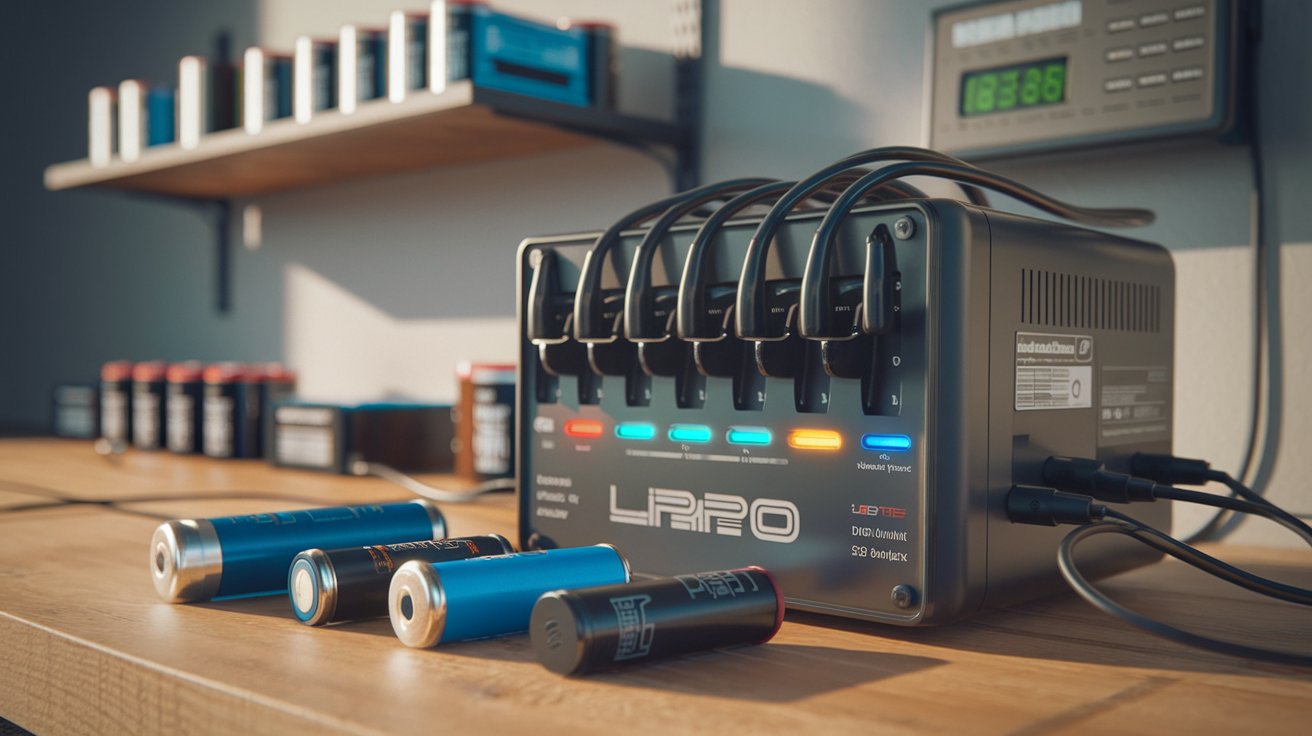
A LiPo battery charger is essential equipment for anyone using lithium polymer batteries in RC vehicles, drones, or electronics projects. Unlike standard battery chargers, LiPo battery chargers require specialized balancing capabilities and precise voltage control to prevent dangerous overcharging. This comprehensive guide covers everything you need to know about selecting the best LiPo battery charger for your specific needs in 2025.
Why LiPo Batteries Need Special Chargers
LiPo batteries require special chargers because they operate with different voltage characteristics and safety requirements compared to traditional NiMH or lead-acid batteries. A standard charger cannot properly balance individual cells within a LiPo pack, which can lead to cell damage, reduced performance, or even fire hazards. LiPo battery chargers monitor each cell’s voltage independently and ensure balanced charging across all cells.
The chemistry of lithium polymer batteries demands precise charging algorithms that regulate voltage, current, and temperature throughout the charging cycle. Professional LiPo battery chargers feature multiple charging stages including constant current, constant voltage, and balancing phases. These chargers also include safety features like overcharge protection, short circuit protection, and automatic shutoff to prevent thermal runaway incidents.
Cell Balancing Technology
Cell balancing is a critical function that distinguishes LiPo battery chargers from standard chargers. During the balancing process, the charger monitors individual cell voltages and adjusts charging current to maintain voltage equilibrium across all cells. This proper balancing technique extends battery life and maintains optimal performance by preventing weak cells from limiting the entire pack’s capacity.
Safety Protection Features
Modern LiPo battery chargers incorporate multiple safety systems including temperature monitoring, voltage regulation, and automatic disconnect features. These protection mechanisms prevent overcharging, which can cause cell swelling, electrolyte leakage, or thermal events. Quality chargers also include reverse polarity protection and input voltage monitoring to ensure safe operation under various conditions.
Proper Way to Charge LiPo Batteries
The proper way to charge LiPo batteries involves several critical steps that ensure safety and maximize battery life. Always use a dedicated LiPo battery charger with balancing capabilities, never attempt to charge LiPo batteries with standard chargers. Set the charger to the correct cell count and capacity before beginning the charging process, and always charge batteries on a fireproof surface away from flammable materials.
Before connecting your battery, inspect it for physical damage, swelling, or unusual odors. Connect the balance lead first, followed by the main power connector, ensuring proper polarity alignment. Configure your LiPo battery charger settings according to the battery’s specifications: typically 1C charge rate for standard charging or 0.5C for slower, safer charging. Monitor the charging process and never leave batteries unattended during charging.
Charge Rate Selection
Selecting the appropriate charge rate is crucial for safe and effective charging. Most LiPo batteries can safely charge at 1C rate, meaning a 5000mAh battery can charge at 5 amps. However, charging at 0.5C or lower extends battery life and reduces heat generation. Your LiPo battery charger should allow precise current adjustment based on battery capacity and manufacturer recommendations.
Temperature Monitoring
Temperature control during charging is essential for LiPo battery safety. Quality LiPo battery chargers include temperature sensors that monitor battery heat levels throughout the charge cycle. If batteries become warm during charging, reduce the charge rate or pause charging until temperatures normalize. Never charge cold batteries; allow them to reach room temperature first.
Best LiPo Battery Charger Models for 2025
The best LiPo battery charger options for 2025 include several standout models that offer advanced features, reliability, and safety. Professional-grade chargers like the SkyRC B6AC V2 and ISDT Q6 Nano provide precise charging control with multiple battery chemistry support. For RC enthusiasts, dual-port chargers offer the convenience of charging multiple batteries simultaneously while maintaining individual cell monitoring.
Budget-conscious users can find excellent LiPo battery chargers in the $50-100 range that provide essential balancing and safety features. Premium models costing $150-300 offer advanced features like touchscreen interfaces, data logging, and smartphone connectivity. When selecting the best LiPo battery charger, consider your battery types, charging frequency, and required features to make an informed decision.
Professional Grade Chargers
Professional LiPo battery chargers designed for commercial or heavy-duty use feature high power output, advanced safety systems, and comprehensive battery chemistry support. These chargers typically handle 6S to 8S battery configurations and provide charging rates up to 30 amps. Models like the Junsi iCharger series offer precision charging with 0.1% accuracy and extensive data logging capabilities for professional applications.
Portable and Field Chargers
Portable LiPo battery chargers cater to field charging needs for RC racing and drone operations. These compact chargers often feature 12V DC input capability, allowing charging from car batteries or portable power stations. Despite their smaller size, quality portable chargers maintain essential balancing and safety features while offering convenient field charging solutions.
LiPo Battery Charger for RC Applications
RC vehicle and aircraft applications demand specialized LiPo battery charger RC models that can handle various battery configurations and charging scenarios. RC LiPo chargers often feature preset charging profiles for common battery sizes and types used in radio-controlled vehicles. These chargers accommodate everything from 2S micro drone batteries to 6S large-scale vehicle batteries with appropriate current and voltage settings.
Competition-level RC chargers include features like fast charging modes, battery conditioning cycles, and storage charging functions. Many LiPo battery charger RC models offer dual charging ports, allowing racers to charge primary and backup batteries simultaneously. Advanced models include regenerative discharging capabilities that recover energy during discharge cycles, making them environmentally efficient and cost-effective for frequent use.
3S LiPo Battery Charger Specifications
A LiPo battery charger 3S specifically handles three-cell lithium polymer battery packs, which are common in many RC aircraft, racing drones, and mid-size vehicles. These chargers must accommodate the 11.1V nominal voltage of 3S batteries while providing precise balancing for each individual cell. Quality 3S LiPo chargers include dedicated balance ports and charging algorithms optimized for three-cell configurations.
When selecting a LiPo battery charger 3S, ensure it supports the capacity range of your batteries and provides adequate charging current. Most 3S applications benefit from chargers capable of 5-10 amp charging rates, though smaller batteries may require lower current settings. The charger should display individual cell voltages during charging and balancing to monitor battery health and charging progress effectively.
12V LiPo Battery Charger Options
A LiPo battery charger 12V refers to chargers that operate from 12-volt DC input sources, making them ideal for field charging applications. These chargers can connect directly to car batteries, portable power stations, or dedicated 12V power supplies for convenient charging away from AC power sources. Many 12V LiPo battery chargers also include AC adapter compatibility for versatile power source options.
Field charging with 12V LiPo battery chargers is essential for RC racing events, drone operations, and remote flying sessions where AC power isn’t available. Quality 12V chargers maintain full charging capabilities including cell balancing and safety features while operating from automotive electrical systems. Some models include cigarette lighter adapters or Anderson Powerpole connectors for easy connection to various 12V power sources.
Finding LiPo Battery Charger Nearby
Locating a LiPo battery charger nearby requires checking local hobby shops, electronics stores, and specialized RC retailers in your area. Many major cities have dedicated RC hobby stores that stock various LiPo battery chargers and can provide expert advice on charger selection. Electronics component stores like Fry’s Electronics or local electronics suppliers often carry basic LiPo charging equipment.
Online retailers offer the widest selection of LiPo battery chargers with competitive pricing and detailed specifications, though local purchases provide immediate availability and personal support. When shopping for a LiPo battery charger nearby, call ahead to confirm stock availability and ask about demonstration options to evaluate charger features before purchasing. Local RC clubs and online forums can also recommend trusted local retailers and service providers.
Overnight Charging Safety Considerations
The question of whether it’s safe to leave LiPo batteries charging overnight requires careful consideration of safety factors and charger capabilities. While modern LiPo battery chargers include automatic shutoff features and safety monitoring, unattended charging always carries some risk. Best practices recommend monitoring LiPo batteries during charging, especially during the initial charge phase when most problems occur.
If you must charge overnight, use only high-quality chargers with proven safety records and multiple protection features. Set up charging in a fireproof location away from flammable materials, preferably in a concrete garage or basement area. Consider using LiPo charging bags or safety boxes that contain potential thermal events, and ensure your charger has proper ventilation and temperature monitoring capabilities before leaving batteries unattended.
Automated Safety Features
Modern LiPo battery chargers include sophisticated safety systems designed to handle unattended charging scenarios. These features include automatic charge termination, overvoltage protection, temperature monitoring, and fault detection systems. However, even with advanced safety features, overnight charging should only be attempted with premium chargers that have proven reliability records.
Safe Charging Environment
Creating a safe environment for overnight charging involves using fireproof surfaces, adequate ventilation, and emergency containment measures. Charge batteries on concrete, ceramic, or metal surfaces away from combustible materials. Install smoke detectors in charging areas and consider automatic fire suppression systems for extensive battery operations.
LiPo Battery Charger Manual Guidelines
Every LiPo battery charger manual contains essential safety information and operating procedures specific to that charger model. Reading and understanding your charger manual is critical for safe operation and optimal performance. Manuals typically include wiring diagrams, safety warnings, charging procedures, and troubleshooting information that prevents user errors and equipment damage.
Key sections in any LiPo battery charger manual include initial setup procedures, battery connection instructions, charging parameter selection, and maintenance requirements. Pay special attention to safety warnings, supported battery types, and maximum charging specifications. Keep your manual accessible during charger operation and refer to manufacturer guidelines when encountering unusual charging situations or error messages.
Related video about lipo battery charger
This video complements the article information with a practical visual demonstration.
Most asked questions about lipo battery charger
Do LiPo batteries need a special charger?
Yes, LiPo batteries absolutely require special chargers designed for lithium polymer chemistry. These chargers provide cell balancing, precise voltage control, and safety features that prevent overcharging and thermal runaway. Standard battery chargers lack these essential capabilities and can damage LiPo batteries or create dangerous situations.
What is the proper way to charge a LiPo battery?
The proper way involves using a dedicated LiPo charger with balancing capability, setting correct cell count and capacity parameters, connecting balance leads first, charging at appropriate rates (typically 1C or lower), monitoring temperature, and never leaving batteries unattended. Always charge on fireproof surfaces in well-ventilated areas.
Is it OK to leave LiPo batteries charging overnight?
Overnight charging is not recommended due to safety risks, even with modern safety features. If absolutely necessary, use only high-quality chargers with proven safety records, charge in fireproof locations away from combustible materials, and ensure proper ventilation. Most experts recommend supervised charging whenever possible.
What charger do I need for a LiPo battery?
You need a charger specifically designed for LiPo batteries with balancing capability, appropriate cell count support, and sufficient current capacity for your battery size. Key features include balance ports, safety protection systems, precise voltage control, and compatibility with your battery’s configuration (2S, 3S, 4S, etc.).
How do I choose the best LiPo battery charger?
Consider your battery types, charging frequency, required features, and budget. Essential features include cell balancing, safety protection, appropriate power output, and reliable construction. Professional users may need advanced features like data logging and multiple battery chemistry support, while casual users can focus on basic safety and balancing capabilities.
Can I use a 12V LiPo battery charger in my car?
Yes, 12V LiPo battery chargers are designed for automotive use and can connect directly to car batteries or 12V power outlets. These chargers maintain full functionality including cell balancing and safety features while operating from 12V DC sources, making them ideal for field charging applications.
| Key Aspect | Important Details | Benefit |
|---|---|---|
| Cell Balancing | Monitors individual cell voltages and maintains equilibrium | Extended battery life and optimal performance |
| Safety Features | Overcharge protection, temperature monitoring, automatic shutoff | Prevents dangerous thermal events and damage |
| Charge Rate Control | Adjustable current settings from 0.1C to 2C or higher | Customized charging speed and battery longevity |
| Multi-Chemistry Support | Compatible with LiPo, LiFe, NiMH, and other battery types | Versatile equipment investment for various applications |
| Field Charging Capability | 12V DC input options for portable power sources | Convenient charging away from AC power outlets |