How to Choose RC Car: Complete 2025 Beginner’s Guide
Choosing the right RC car can feel overwhelming with hundreds of models available in 2025. This comprehensive guide covers everything from understanding different car types and scales to selecting the perfect remote control car for your skill level and budget. Whether you’re a complete beginner or looking to upgrade, you’ll discover the essential factors that determine which RC car will provide the most enjoyment and value for your investment.
Understanding RC Car Types and Categories
The first step in learning how to choose RC car models is understanding the different types available. Each category serves specific purposes and offers unique driving experiences. RC cars generally fall into on-road and off-road categories, with numerous subcategories within each. On-road vehicles excel on smooth surfaces like pavement and tracks, while off-road models handle rough terrain including dirt, grass, and gravel. Understanding these fundamental differences helps narrow your options significantly.
Modern RC car manufacturers produce specialized vehicles for racing, bashing, crawling, and drifting. Racing cars prioritize speed and handling precision, while bashers focus on durability for aggressive driving. Rock crawlers excel at slow, technical terrain navigation, and drift cars provide sideways sliding action on smooth surfaces. Each type requires different features and components, making it crucial to identify your intended use before making a purchase decision.
On-Road RC Car Options
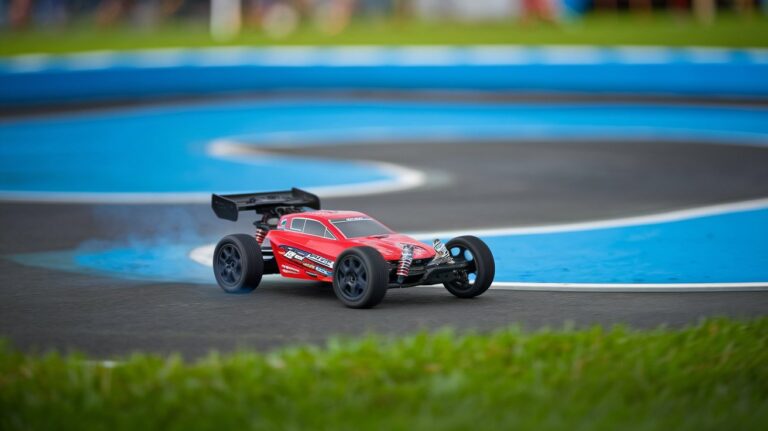
On-road RC cars include touring cars, formula cars, and drift vehicles designed for smooth surfaces. These models typically feature low ground clearance, slick tires, and aerodynamic bodies for maximum speed and handling precision. Popular on-road categories include 1/10 scale touring cars, 1/8 scale GT cars, and specialized drift cars with unique suspension setups. These vehicles work best on parking lots, tracks, and smooth pavement areas.
Off-Road RC Car Varieties
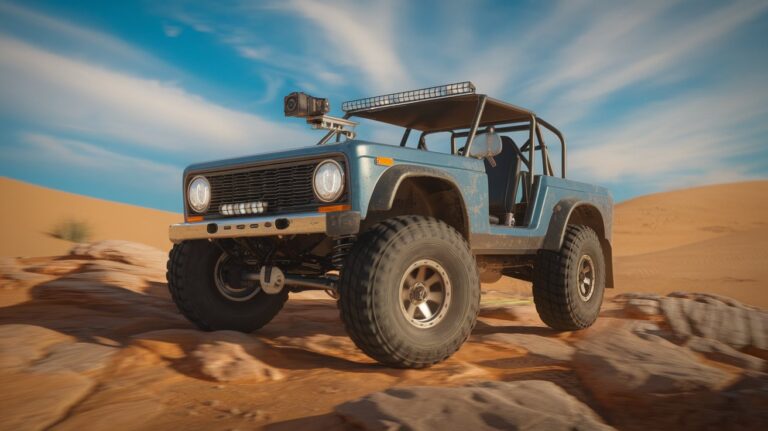
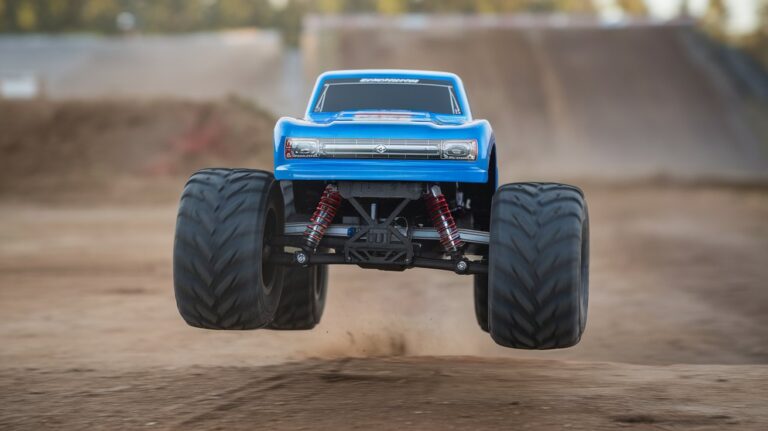
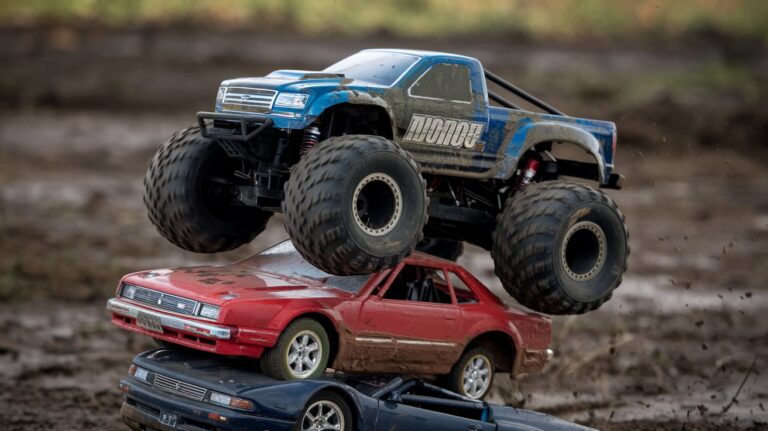
Off-road remote control cars encompass buggies, trucks, monster trucks, and crawlers built for rough terrain. These models feature higher ground clearance, knobby tires, and robust suspension systems to handle jumps and impacts. Stadium trucks, desert buggies, and short course trucks dominate the off-road racing scene, while rock crawlers specialize in technical climbing. Monster trucks offer the ultimate in durability and spectacle for aggressive bash sessions.
RC Car Scale Selection Guide
Scale represents the size ratio between your RC car and its full-size counterpart, directly impacting performance, cost, and usability. Common scales include 1/10, 1/8, 1/16, and 1/18, with each offering distinct advantages. Larger scales like 1/8 provide more power and stability but require more space and higher budgets. Smaller scales like 1/18 offer convenience and lower costs but may lack the performance capabilities of larger models.
For beginners wondering what scale RC car is best, 1/10 scale represents the sweet spot between performance, parts availability, and cost. This scale offers excellent stability, reasonable speed, and the widest selection of upgrade parts and accessories. Most hobby-grade manufacturers focus heavily on 1/10 scale development, ensuring long-term support and community resources for new enthusiasts.
Electric vs Nitro Power Systems
The choice between electric and nitro power systems significantly impacts your RC car experience. Electric models dominate the market in 2025, offering instant power delivery, minimal maintenance, and quiet operation. Modern brushless electric systems provide incredible speed and efficiency, with some models exceeding 100 mph. Electric RC cars require battery charging but offer immediate run-time without engine warm-up or fuel mixing.
Nitro RC cars use small two-stroke engines burning methanol-based fuel, providing authentic engine sounds and longer run times. However, nitro models require engine tuning, regular maintenance, and fuel purchases. The complexity and mess associated with nitro power make electric systems more appealing to most beginners. Electric technology has advanced tremendously, with modern LiPo batteries providing 20+ minute run times and quick charging capabilities.
Electric RC Car Advantages
Electric RC cars offer numerous benefits including instant throttle response, minimal maintenance, and environmental friendliness. Modern brushless motors provide incredible power and efficiency, while advanced speed controllers offer precise power management. Electric models work in all weather conditions and produce no exhaust emissions, making them suitable for indoor and outdoor use without restrictions.
Nitro RC Car Benefits
Nitro remote control cars provide authentic engine sounds, extended run times, and the satisfaction of mechanical tuning. These models appeal to enthusiasts who enjoy engine maintenance and the complexity of fuel-powered systems. Nitro cars typically run 15-30 minutes per tank and refuel quickly, though they require engine warm-up and cooling periods between runs.
Essential RC Car Components and Features
Understanding key RC car components helps you evaluate different models and make informed purchasing decisions. Essential components include the motor, speed controller (ESC), servo, receiver, and battery system. Quality components directly impact performance, reliability, and upgrade potential. Higher-end models typically feature metal gears, ball bearings, and aluminum parts for increased durability and performance.
The RC car components list for a complete setup includes the vehicle, transmitter, receiver, servo, speed controller, motor, battery, and charger. Many ready-to-run (RTR) models include everything except batteries, making them ideal for beginners. However, understanding individual components helps when upgrading or troubleshooting issues. Quality components from reputable manufacturers ensure better performance and longer lifespan than generic alternatives.
Top RC Car Brands and Manufacturers
Selecting established RC car brands ensures quality construction, parts availability, and customer support. Leading manufacturers like Traxxas, HPI Racing, Team Associated, and Arrma dominate the market with diverse model lineups. These companies invest heavily in research and development, producing innovative designs with proven reliability. Brand reputation often correlates with build quality, though premium brands command higher prices.
Budget-friendly brands like WLtoys, LAEGENDARY, and Redcat Racing offer entry-level options without sacrificing basic functionality. These brands focus on value rather than cutting-edge technology, making them suitable for beginners exploring the hobby. However, premium brands typically offer better customer service, parts availability, and upgrade potential for long-term enjoyment and development within the RC car hobby.
Premium RC Car Brands
Premium RC car manufacturers like Traxxas, HPI Racing, and Team Associated lead the industry with innovative designs and superior build quality. These brands offer extensive parts support, detailed documentation, and active community forums. While more expensive initially, premium brands typically provide better long-term value through durability and upgrade potential.
Budget-Friendly RC Car Options
Budget RC car brands like WLtoys, Redcat Racing, and LAEGENDARY offer affordable entry points into the hobby. These manufacturers focus on basic functionality and competitive pricing rather than premium features. While parts availability may be limited compared to premium brands, budget options provide excellent value for casual users and beginners testing their interest in remote control cars.
Battery Technology and Power Management
Battery selection significantly impacts your RC car performance, run time, and convenience. Modern electric models primarily use Lithium Polymer (LiPo) batteries offering high energy density and power output. LiPo batteries provide longer run times and better performance than older Nickel Metal Hydride (NiMH) alternatives. However, LiPo batteries require proper charging, storage, and handling procedures to prevent damage or safety hazards.
When choosing between LiPo or NiMH batteries, consider your experience level and commitment to proper battery care. NiMH batteries offer safer operation and simpler charging but provide less power and shorter run times. LiPo batteries deliver superior performance but require specialized chargers and careful handling. Most serious RC enthusiasts prefer LiPo technology for its performance advantages, while beginners may start with NiMH for simplicity and safety.
RC Car Layout and Design Considerations
The physical layout and design of your RC car affects handling characteristics, maintenance requirements, and upgrade potential. Two-wheel drive (2WD) models offer simplicity and lower costs, while four-wheel drive (4WD) provides better traction and handling versatility. Front-wheel drive layouts excel in specific racing applications, while rear-wheel drive dominates most categories. All-wheel drive systems provide maximum traction but increase complexity and cost.
Suspension design significantly impacts handling and durability, with independent suspension systems offering superior performance over solid axle designs. Adjustable suspension components allow fine-tuning for different track conditions and driving styles. Quality RC cars feature oil-filled shocks, adjustable ride height, and tunable suspension geometry for optimal performance customization.
Beginner-Friendly RC Car Selection
New enthusiasts should prioritize ease of use, durability, and parts availability when selecting their first RC car. Ready-to-run (RTR) models provide everything needed except batteries, eliminating the complexity of component selection and assembly. Look for models with simple designs, robust construction, and comprehensive instruction manuals. Avoid highly specialized or competition-focused models that may prove frustrating for beginners.
The best RC car guide for beginners emphasizes starting with moderate speeds and gradually building skills before upgrading to high-performance models. Entry-level models should feature easily replaceable parts, simple maintenance procedures, and forgiving handling characteristics. Consider starting with 2WD models before advancing to more complex 4WD systems, as they offer easier control and lower maintenance requirements.
Recommended Beginner Models
Top beginner-friendly RC cars include the Traxxas Slash 2WD, HPI Racing Savage XS Flux, and Team Associated RC10B6.1. These models offer excellent build quality, comprehensive parts support, and forgiving handling characteristics. They balance performance with ease of use, making them ideal for learning basic RC car operation and maintenance skills.
Features to Look For
Essential beginner features include waterproof electronics, crash-resistant design, and readily available replacement parts. Look for RC cars with simple control systems, clear instruction manuals, and active online communities for support. Avoid models with complex tuning requirements or specialized maintenance procedures that may overwhelm new users.
Advanced RC Car Selection for Adults
Adults entering the RC car hobby often desire more sophisticated models with advanced features and upgrade potential. Adult-oriented models typically offer higher speeds, more realistic scale details, and extensive customization options. These enthusiasts frequently prefer kit-based models requiring assembly, providing deeper understanding of vehicle mechanics and systems. Advanced models may include telemetry systems, adjustable differentials, and competition-grade components.
When learning how to choose RC car for adults, consider long-term hobby development and skill progression. Adults often appreciate the mechanical aspects of the hobby, making models with extensive upgrade paths and tuning options more appealing. Competition-focused models offer the ultimate in performance and adjustability but require significant time investment to master their full potential.
Related video about how to choose rc car
This video complements the article information with a practical visual demonstration.
Essential Q&A about how to choose rc car
How do I choose the right RC car for my skill level?
Choose based on your experience and commitment level. Beginners should start with ready-to-run 2WD models featuring simple controls and durable construction. Intermediate users can handle 4WD models with more advanced features, while experienced enthusiasts may prefer kit-based models requiring assembly and offering extensive customization options.
What scale RC car is best for beginners?
1/10 scale RC cars are ideal for beginners, offering the perfect balance of size, performance, and stability. This scale provides excellent parts availability, reasonable costs, and manageable size for most users. Smaller scales like 1/18 are more affordable but less stable, while larger scales like 1/8 are more expensive and require more space.
Should I buy electric or nitro RC cars?
Electric RC cars are recommended for most users due to their simplicity, instant power delivery, and minimal maintenance requirements. Modern brushless electric systems offer excellent performance with quick charging and clean operation. Nitro cars appeal to enthusiasts who enjoy engine maintenance and authentic engine sounds but require more experience and commitment.
What should I look for when buying my first remote control car?
Look for ready-to-run models from established brands with good parts availability and customer support. Essential features include durable construction, waterproof electronics, simple controls, and comprehensive instruction manuals. Avoid highly specialized models and prioritize ease of use over maximum performance for your first RC car purchase.
How much should I spend on my first RC car?
Budget $200-400 for a quality beginner RC car including batteries and charger. This range provides access to reliable hobby-grade models from reputable manufacturers. While cheaper options exist under $100, they often lack durability and upgrade potential. Spending more initially on quality components reduces frustration and provides better long-term value.
What accessories do I need with my RC car?
Essential accessories include extra batteries, a quality charger, basic tools, and replacement parts like tires and shock oil. Many RTR models include a basic charger, but investing in a quality balance charger improves battery life and performance. Consider spare body clips, tire glue, and common wear parts for ongoing maintenance.
| Key Aspect | Important Details | Benefit |
|---|---|---|
| Scale Selection | 1/10 scale optimal for beginners | Perfect balance of performance and stability |
| Power System | Electric brushless recommended | Instant power, minimal maintenance |
| Brand Choice | Established manufacturers preferred | Better parts support and reliability |
| Battery Type | LiPo for performance, NiMH for safety | Optimized run time and convenience |
| Vehicle Type | Match intended use and terrain | Maximum enjoyment and performance |