What is Brushless RC? Complete Guide to Motors & Performance
Brushless RC refers to remote control vehicles powered by brushless motors instead of traditional brushed motors. These advanced brushless motors eliminate physical carbon brushes, delivering superior performance, longer lifespan, and greater efficiency for RC cars, planes, boats, and drones in 2025.
Understanding Brushless RC Motor Technology
Brushless motors represent the pinnacle of RC technology, utilizing electronic speed controllers (ESCs) to manage power delivery without physical contact brushes. Unlike brushed motors that rely on carbon brushes making contact with a commutator, brushless RC motors use electronic switching to control the magnetic fields that drive rotation. This fundamental difference eliminates friction, reduces heat generation, and dramatically improves motor longevity.
The brushless motor design consists of a permanent magnet rotor (the moving part) surrounded by electromagnetic stator windings. The ESC precisely controls when each winding receives power, creating a rotating magnetic field that spins the rotor smoothly and efficiently. This electronic control system allows for variable speed control, instant reversing capability, and optimized power delivery that adapts to different load conditions.
Key Components of Brushless RC Systems
A complete brushless RC system requires three essential components: the brushless motor, electronic speed controller (ESC), and compatible radio system. The ESC acts as the brain, interpreting throttle signals from your transmitter and converting them into precise three-phase power delivery to the motor. Modern ESCs feature programmable settings for motor timing, brake strength, and low-voltage cutoff protection, allowing fine-tuning for specific applications and battery types.
Electronic Speed Controller Functions
The ESC performs multiple critical functions beyond basic speed control, including battery voltage monitoring, thermal protection, and programmable performance parameters. Advanced brushless ESCs in 2025 feature smartphone connectivity for real-time telemetry, data logging capabilities, and over-the-air firmware updates. These controllers can handle anywhere from 20 amps to over 200 amps of current, depending on the motor size and application requirements.
Brushless vs Brushed Motor Comparison
The primary difference between brushless and brushed motors lies in their power delivery mechanism and maintenance requirements. Brushed motors use carbon brushes that physically contact a rotating commutator to switch electrical current, creating friction, heat, and wear. This design limits lifespan to approximately 20-50 hours of runtime before brush replacement becomes necessary. In contrast, brushless motors can operate for hundreds of hours without maintenance.
Performance advantages of brushless over brushed motors include 85-90% efficiency compared to 75-80% for brushed motors, resulting in longer runtime and less heat generation. Brushless motors also provide smoother power delivery, instant throttle response, and the ability to handle higher voltages without risk of brush arcing. These benefits make brushless the preferred choice for competitive RC racing and high-performance applications.
Efficiency and Runtime Benefits
Brushless motor efficiency translates directly to extended battery life and cooler operation temperatures. While a typical brushed motor system might provide 8-12 minutes of runtime on a 5000mAh battery pack, the same battery with a brushless setup can deliver 15-20 minutes of comparable performance. This efficiency advantage becomes even more pronounced in high-demand applications like 1/8 scale buggies or aerobatic aircraft.
Cost Analysis and Value Proposition
Although brushless RC systems require higher initial investment ($150-500 vs $50-150 for brushed), the long-term value proposition favors brushless technology. Elimination of brush replacement costs, reduced battery consumption, and superior durability result in lower total cost of ownership. Professional RC racers report 3-5 years of competitive use from quality brushless motors versus 6-12 months for brushed alternatives.
Motor Specifications: KV, Turns, and Poles Explained
Understanding brushless motor specifications is crucial for selecting the right motor for your RC application. The KV rating represents RPM per volt applied – a 3000KV motor will spin at 3000 RPM for every volt of battery power. Lower KV motors (1000-2000KV) provide higher torque for crawling and aerobatic applications, while high KV motors (3000-6000KV) deliver maximum speed for racing and speed runs.
Turn count and pole configuration directly impact motor characteristics and performance. Fewer turns mean higher speed but lower torque, while more turns provide increased torque at the expense of top speed. Most modern brushless motors feature 2-pole, 4-pole, or 6-pole configurations, with 4-pole designs offering the best balance of smooth operation and efficient power delivery for general RC use.
Selecting KV Rating for Your Application
Choosing the correct KV rating depends on your gear ratio, wheel diameter, and desired top speed. For 1/10 scale touring cars with 64-pitch gearing, a 3500-4500KV motor typically provides optimal performance. Monster trucks and crawlers benefit from lower KV ratings (1200-2500KV) to maintain control and prevent gear stripping. Always consider your ESC’s voltage rating and battery configuration when selecting motor KV.
Pole Count Impact on Performance
Pole count affects how smoothly the motor runs and its efficiency at different RPM ranges. 4-pole motors offer excellent low-end torque and smooth operation for most applications, while 2-pole designs maximize top speed but may lack low-speed control. 6-pole and 8-pole motors provide the smoothest operation for precision applications like camera gimbals and scale crawlers where fine throttle control is essential.
Brushless RC Applications and Vehicle Types
Brushless technology has become standard across virtually all RC vehicle categories in 2025, from micro indoor helicopters to 1/5 scale gas conversion buggies. RC cars represent the largest segment, with brushless systems powering everything from entry-level ready-to-run models to professional racing machines. The instant throttle response and precise speed control make brushless particularly suited for competitive racing where milliseconds matter.
Aircraft applications benefit enormously from brushless motor reliability and power-to-weight ratios. Modern brushless motors for RC planes weigh 50-70% less than equivalent brushed motors while providing 20-30% more power. This weight savings translates to longer flight times, better aerobatic performance, and reduced stress on airframe structures during aggressive maneuvers.
RC Car Categories and Motor Selection
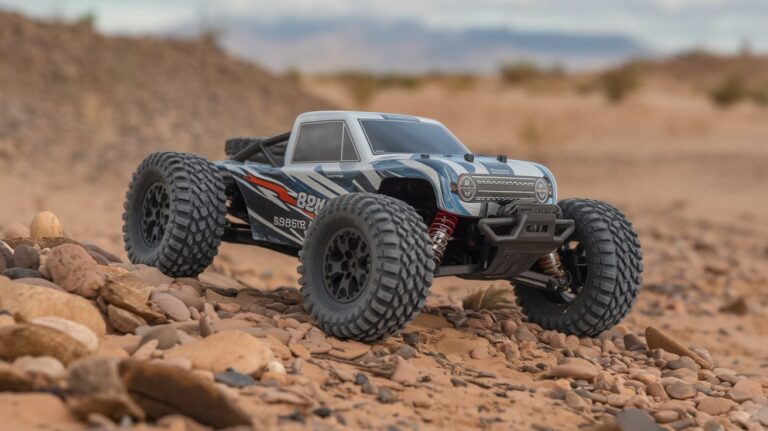
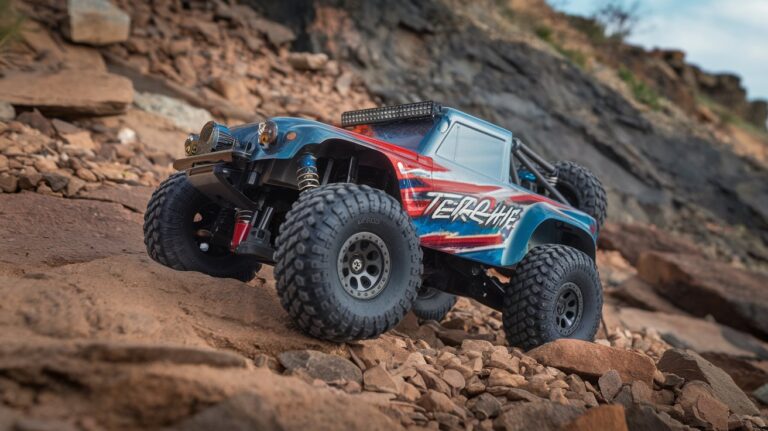
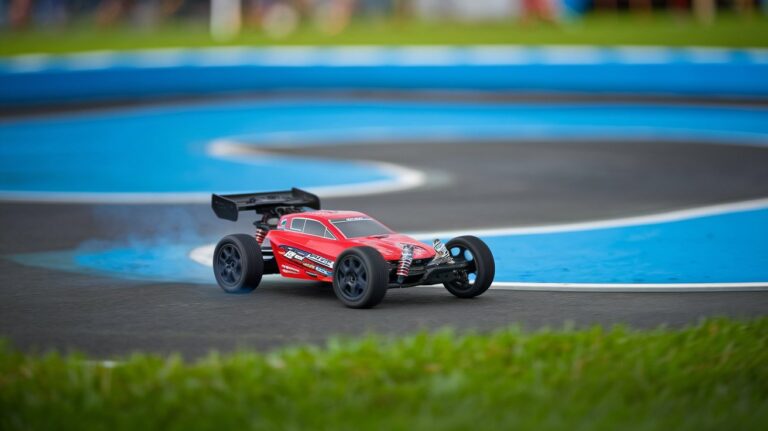
Different RC car categories require specific motor characteristics for optimal performance. On-road touring cars typically use 2-pole sensored motors for maximum speed and efficiency, while off-road buggies benefit from 4-pole motors that provide better low-speed control and durability in dusty conditions. Crawlers and scale trucks often use high-torque, low-KV motors with advanced ESC programming for ultra-smooth throttle modulation.
Marine and Aircraft Applications
Brushless motors excel in marine applications due to their sealed construction and corrosion resistance. Waterproof ESCs rated IP67 or higher protect electronics from moisture while delivering consistent power to high-performance racing boats. Aircraft installations prioritize weight savings and reliability, with brushless power systems enabling flights exceeding 45 minutes in sport aircraft and unlimited aerobatic capability in competition machines.
Advantages and Benefits of Brushless RC Systems
The advantages of brushless RC extend far beyond simple performance improvements, encompassing reliability, efficiency, and long-term value. Elimination of brush wear means consistent performance throughout the motor’s lifespan, without the power degradation experienced with brushed motors as brushes wear down. This reliability is particularly valuable in competitive situations where equipment failure can mean the difference between victory and disappointment.
Thermal management represents another significant advantage of brushless technology. Without brush friction generating excess heat, brushless motors run 20-30% cooler than brushed equivalents under identical loads. This cooler operation protects motor magnets from demagnetization, extends battery life by reducing internal resistance buildup, and allows for more aggressive gearing without overheating concerns.
Potential Drawbacks and Considerations
While brushless motors offer numerous advantages, several considerations may influence your decision. The higher initial cost represents the most significant barrier, with quality brushless systems costing 2-4 times more than comparable brushed setups. Additionally, the complexity of ESC programming and setup can overwhelm newcomers to the hobby who simply want to run their vehicle without technical complications.
Compatibility issues may arise when upgrading existing models from brushed to brushless power. Older chassis designs may lack adequate ventilation for ESC cooling, require gear ratio changes to handle increased power, or need steering and throttle servo upgrades to match the improved performance. Some vintage radio systems may also lack the resolution needed for smooth brushless motor control, necessitating transmitter upgrades.
Setup Complexity and Learning Curve
Modern brushless ESCs offer extensive programming options that can overwhelm beginners but provide experienced users with unprecedented control over motor behavior. Parameters like motor timing, low-voltage cutoff, brake strength, and acceleration curves require understanding of their effects on performance and battery life. Many manufacturers now include smartphone apps that simplify programming through guided setup wizards and preset configurations for common applications.
Maintenance and Troubleshooting
Although brushless motors require minimal maintenance, proper care ensures optimal longevity and performance. Regular cleaning of the motor can and rotor prevents debris accumulation that could cause bearing wear or magnetic interference. ESC maintenance involves checking wire connections, monitoring operating temperatures, and keeping firmware updated to access the latest features and bug fixes. Quality brushless systems can operate for 500+ hours with only occasional bearing replacement.
Latest Trends and 2025 Developments
Brushless RC technology continues evolving rapidly, with 2025 bringing significant advances in sensor integration, artificial intelligence, and materials science. Smart motors with integrated temperature, RPM, and current sensors provide real-time telemetry to ESCs and radio systems, enabling automatic parameter adjustment for optimal performance under varying conditions. Machine learning algorithms now optimize motor timing and power delivery based on driving patterns and track conditions.
Material innovations include rare-earth magnet improvements that increase power density by 15-20% while reducing motor size and weight. Advanced stator winding techniques using copper-clad aluminum wire provide 95% of copper’s conductivity at 60% of the weight, particularly beneficial for aircraft applications where every gram matters. Carbon fiber motor cans and titanium hardware further reduce weight while improving heat dissipation and durability.
Related video about what is brushless rc
This video complements the article information with a practical visual demonstration.
Questions & Answers
Is a brushless RC motor better than brushed?
Yes, brushless RC motors are superior to brushed motors in virtually every aspect. They offer 85-90% efficiency compared to 75-80% for brushed motors, resulting in 50-70% longer runtime. Brushless motors also provide smoother power delivery, require no maintenance for hundreds of hours, run cooler, and deliver instant throttle response. The only disadvantages are higher initial cost and setup complexity.
What are the downsides of a brushless motor?
The main downsides of brushless motors include higher initial cost ($150-500 vs $50-150 for brushed systems), complexity requiring ESC programming knowledge, and potential compatibility issues when upgrading older models. Some users find the extensive programming options overwhelming, and quality brushless systems require investment in compatible radio equipment for optimal performance.
What does brushless mean for RC cars?
Brushless for RC cars means the motor uses electronic switching instead of physical carbon brushes to control power. This eliminates friction, reduces maintenance to nearly zero, and provides superior acceleration, longer runtime, and consistent performance. Brushless RC cars typically achieve 20-30% higher speeds and 50% longer battery life compared to brushed equivalents.
Do I need special batteries for brushless RC systems?
No special batteries are required for brushless RC systems, but higher-quality batteries maximize performance benefits. LiPo batteries are preferred due to their high discharge rates and voltage stability, which complement brushless motor efficiency. The improved efficiency of brushless systems means you can use smaller battery packs for equivalent runtime, reducing overall vehicle weight.
Can I upgrade my brushed RC car to brushless?
Most brushed RC cars can be upgraded to brushless power, but several factors require consideration. You’ll need adequate space for the ESC, proper ventilation for cooling, and may need to change gear ratios to handle increased power. Older radio systems might require upgrades for smooth control, and the chassis may need reinforcement to handle the additional performance.
How long do brushless RC motors last?
Brushless RC motors typically last 300-500 hours of operation with proper care, compared to 20-50 hours for brushed motors before maintenance is required. Quality brushless motors can provide 3-5 years of competitive use, with only occasional bearing replacement needed. The lack of wearing brushes means performance remains consistent throughout the motor’s lifespan.
| Motor Type | Efficiency | Lifespan | Maintenance | Cost Range |
|---|---|---|---|---|
| Brushless | 85-90% | 300-500+ hours | Minimal | $150-500 |
| Brushed | 75-80% | 20-50 hours | Regular brush replacement | $50-150 |