Best Brushless RC Cars 2025: Complete Guide & Top Picks
Brushless RC cars represent the pinnacle of electric remote control vehicle technology, offering superior speed, efficiency, and durability compared to brushed motor alternatives. These advanced RC vehicles utilize electronically controlled motors that eliminate physical brushes, resulting in longer runtime, higher speeds, and reduced maintenance requirements for hobbyists across the United States.
What Are Brushless RC Cars
Brushless RC cars utilize electronically controlled motors without physical carbon brushes, making them significantly more efficient than traditional brushed motor vehicles. The absence of friction-causing brushes allows these motors to run cooler, faster, and with minimal maintenance requirements. In 2025, brushless technology has become the gold standard for serious RC enthusiasts in the United States market.
The brushless motor system requires an Electronic Speed Controller (ESC) to manage power delivery and timing, which adds to the initial cost but provides substantial long-term benefits. These motors typically achieve 85-90% efficiency compared to 70-80% for brushed motors, translating to longer run times and better battery utilization for RC car enthusiasts.
Brushless Motor Technology Explained
The brushless motor design eliminates the commutator and carbon brushes found in traditional motors, instead using electronic switching to control current flow. This innovation results in motors that can reach speeds exceeding 100 mph in high-end models, with some competition-grade brushless RC cars achieving speeds up to 200 mph when properly tuned and geared.
Key Components of Brushless Systems
Brushless RC car systems consist of three main components: the brushless motor, Electronic Speed Controller (ESC), and compatible battery pack. The ESC serves as the brain of the system, interpreting signals from the receiver and controlling motor timing and power delivery. Modern systems in 2025 feature programmable ESCs with smartphone connectivity for advanced tuning and monitoring capabilities.
Benefits of Brushless RC Cars
Brushless RC cars offer numerous advantages that justify their premium price point for enthusiasts in the United States market. The primary benefit is exceptional efficiency, with brushless motors converting more electrical energy into mechanical motion compared to brushed alternatives. This efficiency translates to longer run times, often 20-30% more driving time per battery charge.
Maintenance requirements for brushless systems are minimal, as there are no brushes to replace or commutators to clean. This reliability makes brushless RC cars ideal for frequent use and competitive racing. Additionally, the reduced friction and heat generation allow for higher sustained speeds and improved overall performance consistency throughout each run session.
Speed and Performance Advantages
Brushless RC cars consistently outperform brushed models in speed and acceleration tests. Top-tier brushless systems can propel 1/10 scale vehicles to speeds exceeding 70 mph out of the box, with modification potential reaching 100+ mph. The instant torque delivery characteristic of brushless motors provides superior acceleration from standstill compared to brushed alternatives.
Durability and Longevity Benefits
The absence of wearing components in brushless motor design significantly extends operational lifespan. While brushed motors may require brush replacement every 20-30 hours of operation, brushless motors can operate for hundreds of hours with only basic maintenance. This durability makes brushless RC cars more cost-effective over time despite higher initial investment.
Top Brushless RC Car Categories
The United States brushless RC car market in 2025 offers diverse categories catering to different skill levels and preferences. On-road touring cars dominate the competitive scene, featuring aerodynamic bodies and precision handling characteristics. Off-road categories include short course trucks, monster trucks, and crawlers, each optimized for specific terrain and driving styles.
Scale classification plays a crucial role in brushless RC car selection, with 1/10 scale models being most popular for their balance of size, performance, and parts availability. Larger 1/8 scale vehicles offer increased durability and power potential, while compact 1/16 and 1/18 scale options provide indoor-friendly dimensions for apartment dwellers and beginners.
On-Road Brushless Racing Cars
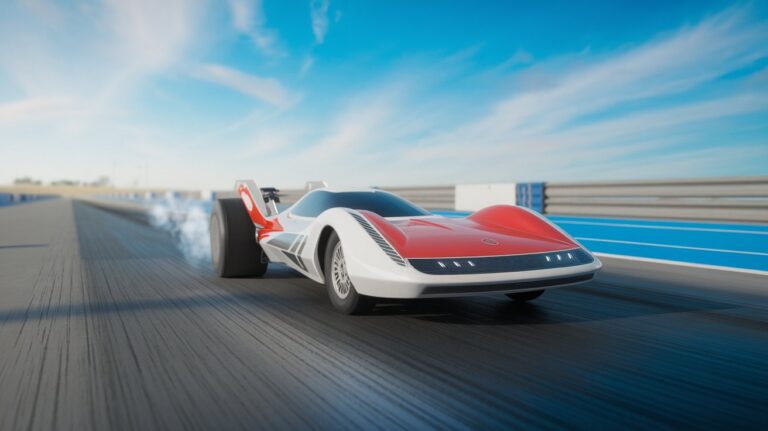
On-road brushless RC cars excel on smooth surfaces like parking lots, tennis courts, and dedicated RC tracks. These vehicles feature low-profile tires, aerodynamic bodywork, and suspension tuned for high-speed stability. Popular models include touring cars, formula cars, and drift vehicles, with many capable of 60+ mph speeds when equipped with appropriate brushless systems.
Off-Road Brushless Vehicles
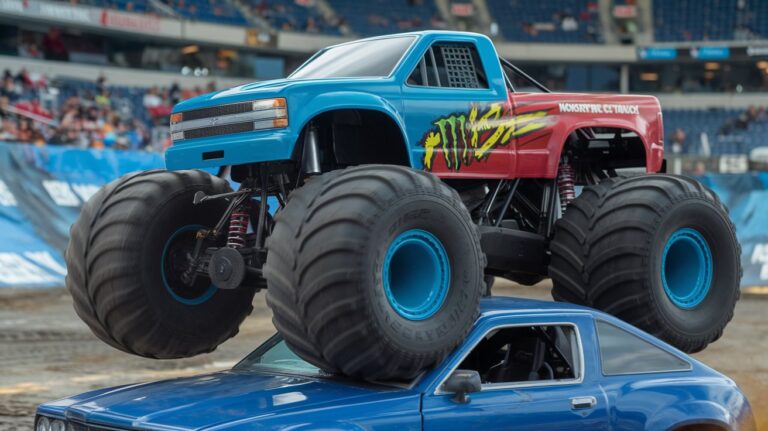
Off-road brushless RC cars handle rough terrain including grass, dirt, gravel, and light jumps. Short course trucks and stadium trucks lead this category, offering robust construction and high ground clearance. Monster trucks represent the extreme end of off-road capability, with oversized tires and powerful brushless systems capable of conquering challenging obstacles and terrain variations.
Best Brushless RC Cars for 2025
Leading brushless RC car manufacturers in the United States market include Traxxas, ARRMA, Associated, and HPI Racing, each offering distinct advantages and specializations. Traxxas dominates the beginner and intermediate segments with ready-to-run models featuring excellent customer support and parts availability. ARRMA focuses on durable bash-ready vehicles with aggressive styling and robust construction.
Price ranges for quality brushless RC cars in 2025 span from $200 for entry-level models to over $1,000 for competition-grade vehicles. Mid-range options between $300-600 offer the best value proposition, combining performance, durability, and upgrade potential for most enthusiasts in the United States market.
Budget-Friendly Brushless Options
Entry-level brushless RC cars under $300 provide excellent introduction to the hobby without compromising on core brushless benefits. Models like the Traxxas Slash 4X4 VXL and ARRMA Granite Voltage deliver impressive performance for newcomers. These vehicles include everything needed to start driving, with upgrade paths available as skills and interest develop.
Premium Brushless Racing Models
High-end brushless RC cars exceeding $600 target serious enthusiasts and competitors seeking maximum performance and customization options. These models feature advanced materials like carbon fiber chassis, precision aluminum components, and competition-grade electronics. Popular choices include the Associated TC7.2, Kyosho Inferno series, and Traxxas XO-1 supercar.
Brushless RC Car Maintenance Guide
Maintaining brushless RC cars requires less frequent attention compared to brushed alternatives, but proper care ensures optimal performance and longevity. Regular cleaning after each driving session prevents dirt and debris accumulation that can affect moving parts and electronics. Focus cleaning efforts on the chassis, suspension components, and motor cooling areas.
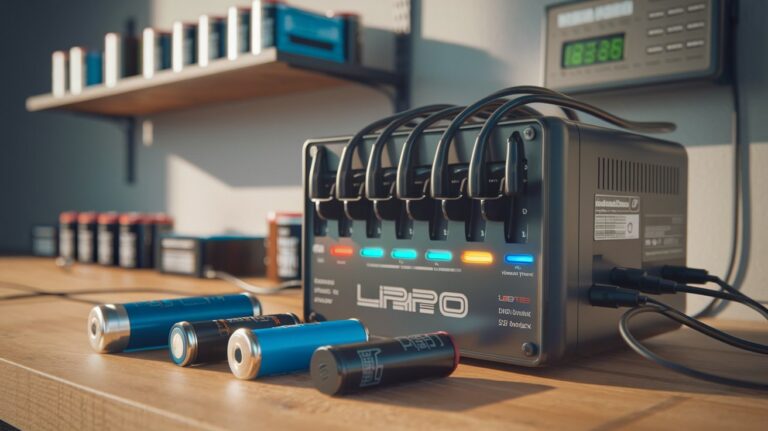
Battery maintenance constitutes the most critical aspect of brushless RC car care. LiPo batteries require specific charging procedures, storage protocols, and safety precautions to prevent damage or safety hazards. Never leave LiPo batteries unattended while charging, and store them at proper voltage levels to maximize lifespan and maintain capacity.
Motor and ESC Maintenance
Brushless motor maintenance involves periodic inspection of connections, cleaning of cooling fins, and verification of proper mounting alignment. The ESC requires firmware updates when available and protection from moisture and excessive heat. Check all wire connections regularly and ensure proper ventilation during operation to prevent overheating damage.
Cleaning and Storage Procedures
Proper storage of brushless RC cars involves thorough cleaning, battery removal, and protection from temperature extremes. Clean the vehicle with compressed air and mild detergent solutions, avoiding direct water contact with electronics. Store batteries separately at appropriate charge levels, and inspect all components periodically during extended storage periods.
Brushless RC Car Racing and Communities
The United States hosts numerous brushless RC car racing events and championships throughout 2025, from local club races to national competitions. Organizations like ROAR (ROAR Organization of American Racing) sanction official events and maintain technical regulations for various racing classes. Many tracks across the country host weekly racing programs specifically for brushless-powered vehicles.
Online communities and forums provide valuable resources for brushless RC car enthusiasts, offering setup advice, troubleshooting help, and modification guidance. Popular platforms include RCTech, RCGroups, and manufacturer-specific forums where experienced racers share knowledge with newcomers to the hobby.
Related video about brushless rc cars
This video complements the article information with a practical visual demonstration.
Important things to know about brushless rc cars
How fast do brushless RC cars go?
Brushless RC cars typically achieve speeds between 30-70 mph depending on scale and motor specifications. High-end models can exceed 100 mph with proper gearing and battery setups. Entry-level brushless vehicles usually reach 35-45 mph, which provides exciting performance for most drivers while remaining manageable for beginners.
Are brushless RC cars worth the extra cost?
Yes, brushless RC cars justify their higher price through superior efficiency, speed, and minimal maintenance requirements. The longer runtime, reduced upkeep costs, and better performance make them more cost-effective long-term investments. Most serious RC enthusiasts consider brushless systems essential for optimal enjoyment and competitive capability.
What batteries work best with brushless RC cars?
LiPo (Lithium Polymer) batteries provide optimal performance for brushless RC cars due to their high discharge rates and energy density. 2S (7.4V) and 3S (11.1V) configurations are most common, with 3S delivering higher speeds and power. Always verify ESC compatibility and use appropriate LiPo charging equipment for safety and battery longevity.
Can I upgrade my brushed RC car to brushless?
Most brushed RC cars can be upgraded to brushless systems by replacing the motor and ESC combination. Ensure the new brushless motor fits your existing mount and that the ESC can handle your battery configuration. This upgrade typically costs $100-200 but transforms vehicle performance significantly, making it worthwhile for compatible models.
What maintenance do brushless RC cars require?
Brushless RC cars require minimal maintenance compared to brushed alternatives. Regular cleaning, proper battery care, and periodic inspection of connections constitute primary maintenance tasks. No brush replacement is needed, and motors can run hundreds of hours with basic care. Focus on keeping electronics clean and dry for optimal longevity.
How long do brushless RC car motors last?
Quality brushless RC car motors can operate for 500+ hours with proper maintenance and reasonable use. The absence of wearing brushes eliminates the primary failure point of traditional motors. With good care, brushless motors often outlast the vehicle chassis, making them excellent long-term investments for serious RC enthusiasts.
| Key Feature | Brushless Advantage | Performance Benefit |
|---|---|---|
| Motor Efficiency | 85-90% vs 70-80% brushed | 20-30% longer runtime |
| Speed Capability | 60-100+ mph potential | Superior acceleration and top speed |
| Maintenance | No brush replacement needed | Minimal upkeep requirements |
| Durability | 500+ hour motor lifespan | Long-term cost effectiveness |