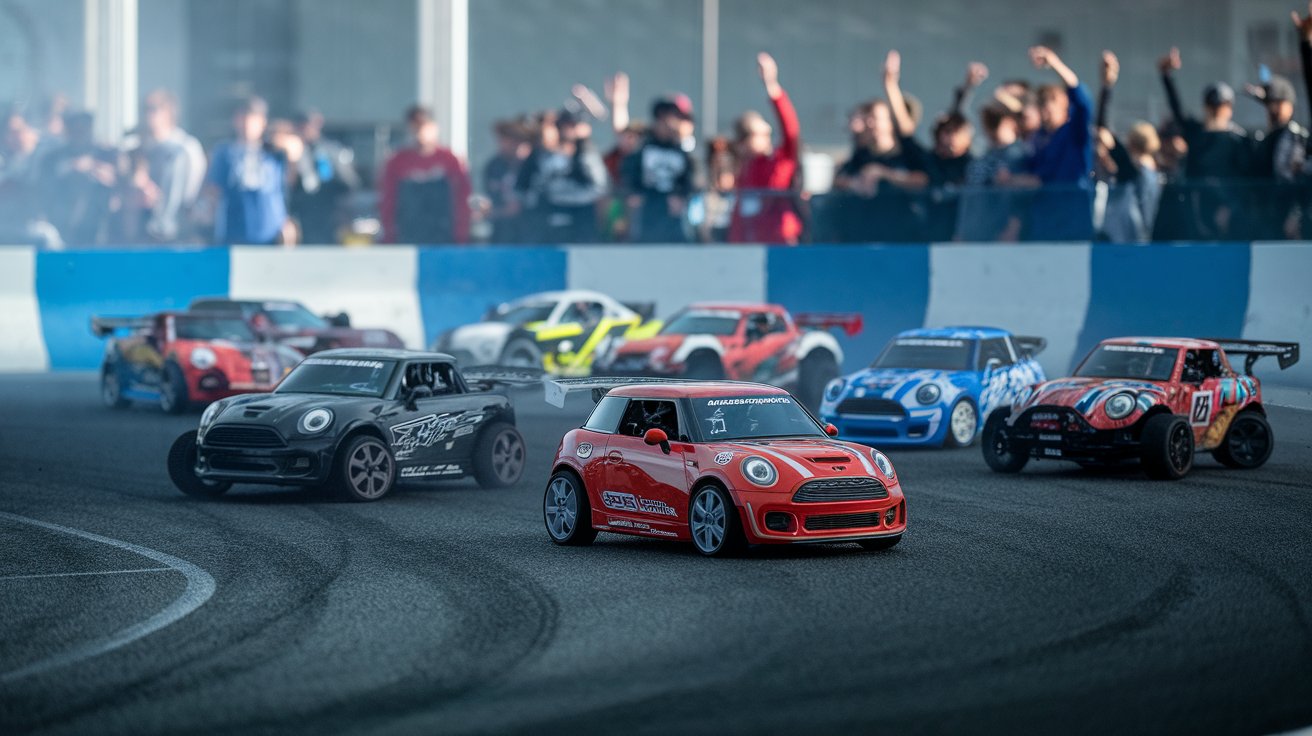
Best Mini RC Drift Cars 2025: Top Models & Buying Guide
Mini RC drift cars have revolutionized indoor racing, offering authentic drifting experiences in compact spaces. These scaled-down powerhouses deliver precise control, realistic physics, and endless entertainment for enthusiasts of all skill levels. With advanced gyroscopic stabilization and proportional steering, modern mini drift cars provide professional-grade performance in palm-sized packages.
What Makes Mini RC Drift Cars Special
Mini RC drift cars represent a unique category in remote control vehicles, specifically engineered for controlled sliding maneuvers. Unlike traditional RC cars designed for maximum grip, these models feature specialized tires and suspension systems that promote intentional loss of traction. The physics involved require precise throttle control, counter-steering, and momentum management to maintain controlled drifts around corners.
The compact size advantage allows for indoor operation on smooth surfaces like hardwood floors, tiles, or dedicated drift mats. Most mini drift cars measure between 1:28 and 1:24 scale, making them perfect for apartment dwellers or those with limited space. Advanced models incorporate gyroscopic sensors that assist with stability control, making the learning curve more manageable for beginners while still offering depth for experienced drivers.
Key Technical Features
Modern mini RC drift cars integrate sophisticated technology including proportional steering systems that respond precisely to remote control inputs. Brushless motors provide smooth power delivery essential for maintaining controlled slides, while adjustable suspension components allow fine-tuning of drift characteristics. Battery life typically ranges from 15-25 minutes per charge, with rapid charging capabilities reducing downtime between sessions.
Size and Scale Advantages
The miniature scale offers significant practical benefits beyond space constraints. Reduced impact damage means safer indoor operation around furniture and decorations. Lower speeds create less wear on mechanical components, extending vehicle lifespan. Additionally, the smaller size makes these cars more affordable to purchase, maintain, and upgrade compared to larger scale alternatives.
Top Mini RC Drift Car Models for 2025
The 2025 market features several standout models that have earned recognition for performance, durability, and value. Leading manufacturers have refined their designs based on years of user feedback, resulting in more reliable and capable mini drift vehicles. Price points range from budget-friendly options under $50 to professional-grade models exceeding $200, each targeting different skill levels and requirements.
Premium models now include features previously found only in larger scale cars, such as digital proportional controls, adjustable gyroscope sensitivity, and modular upgrade systems. Mid-range options provide excellent performance-to-price ratios, while entry-level models focus on ease of use and durability for newcomers to the hobby.
Professional Grade Models
High-end mini RC drift cars feature precision engineering components including ball bearings, adjustable shock absorbers, and customizable gear ratios. These models typically offer hobby-grade 2.4GHz radio systems with multiple channels for advanced control options. Build quality emphasizes metal construction in critical stress points, ensuring longevity under intensive use conditions.
Budget-Friendly Options
Entry-level mini drift cars provide essential drifting capabilities at accessible price points without compromising core functionality. These models focus on durability and ease of use, featuring simplified controls and robust plastic construction. While lacking some advanced features, they offer genuine drift performance suitable for learning fundamental techniques and casual entertainment.
Essential Buying Considerations
Selecting the right mini RC drift car requires evaluating several critical factors that directly impact user experience and long-term satisfaction. Skill level compatibility represents the most important consideration, as models designed for beginners feature different characteristics than those intended for experienced drivers. Budget allocation should account for not just the initial purchase but also batteries, chargers, and potential upgrades.
Surface compatibility plays a crucial role in performance expectations. Different tire compounds and tread patterns work better on specific surfaces, with some models optimized for smooth indoor floors while others handle textured surfaces more effectively. Consider the primary operating environment when making selection decisions.
Performance vs Price Analysis
The relationship between cost and capability in mini RC drift cars follows predictable patterns, with diminishing returns occurring at higher price points. Models in the $75-125 range typically offer the best balance of features, build quality, and performance for most users. Spending below $50 often means sacrificing durability or control precision, while exceeding $200 yields improvements primarily valuable to serious enthusiasts.
Compatibility and Upgrades
Future upgrade potential should influence purchasing decisions, particularly for users likely to develop deeper interest in the hobby. Models with standardized part compatibility allow access to aftermarket components for performance enhancement or customization. Consider availability of replacement parts, as some manufacturers provide better long-term support than others.
Setup and Operation Guide
Proper setup ensures optimal performance from mini RC drift cars, beginning with initial assembly and continuing through fine-tuning adjustments. Most models arrive ready-to-run with minimal setup required, but understanding adjustment options unlocks full potential. Battery preparation, radio binding, and initial calibration typically take 10-15 minutes for first-time setup.
Operating techniques differ significantly from conventional RC cars, requiring adaptation of driving style and expectations. Drift initiation techniques involve specific throttle and steering inputs timed with vehicle dynamics. Mastering basic maneuvers like figure-eights, 180-degree slides, and continuous circular drifts provides foundation skills for more advanced techniques.
Maintenance and Care Tips
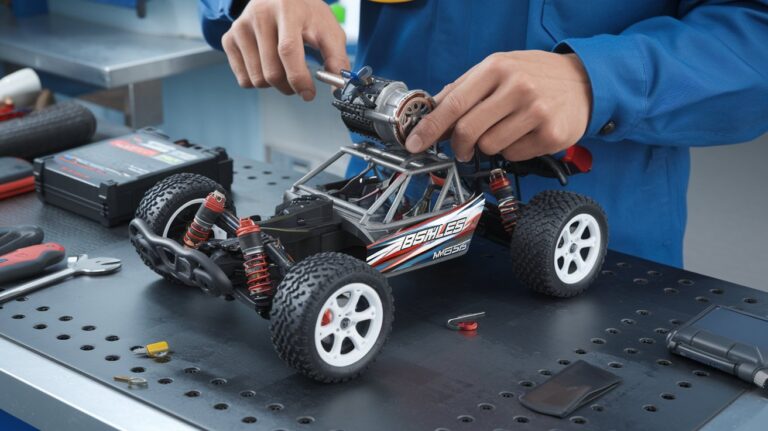
Regular maintenance extends the lifespan and maintains performance of mini RC drift cars, with most tasks requiring only basic tools and minimal time investment. Cleaning procedures focus on removing debris from moving parts, particularly the drivetrain and suspension components. Weekly inspection of wear items like tires, gears, and battery connections prevents minor issues from developing into major problems.
Battery care significantly impacts long-term ownership costs and performance consistency. Proper charging practices, storage procedures, and replacement timing ensure reliable operation while maximizing battery lifespan. Avoid overcharging, deep discharge cycles, and extreme temperature exposure to maintain optimal battery health.
Troubleshooting Common Issues
Most problems with mini RC drift cars stem from basic maintenance oversights or user error rather than manufacturing defects. Loss of drift capability often results from worn tires or incorrect surface conditions. Steering problems typically indicate calibration issues or radio interference. Systematic troubleshooting approaches resolve most issues without professional service.
Storage and Transportation
Proper storage prevents damage and maintains readiness for operation, with temperature control being particularly important for electronic components and batteries. Clean, dry environments prevent corrosion and mechanical binding. Transportation considerations include shock protection and battery safety protocols, especially when traveling to events or sharing with friends.
Advanced Techniques and Skills
Mastering advanced drifting techniques requires understanding vehicle dynamics, surface interaction, and precise control inputs. Professional drift techniques include tandem running, obstacle navigation, and competitive scoring maneuvers. Development of these skills progresses through structured practice sessions focusing on specific elements rather than random driving.
Competition-level performance demands consistency, precision, and style execution under pressure. Advanced practitioners often modify their vehicles with upgraded components, custom tuning, and specialized setups optimized for specific track layouts or judging criteria. Practice regimens typically involve daily sessions with focused skill development goals.
Related video about mini rc drift cars
This video complements the article information with a practical visual demonstration.
Everything you need to know about mini rc drift cars
What surfaces work best for mini RC drift cars?
Smooth, hard surfaces provide optimal drifting conditions for mini RC drift cars. Polished hardwood floors, tiles, and specialized drift mats offer the right balance of grip and slip. Avoid carpeted areas, rough concrete, or textured surfaces that prevent proper sliding action. Indoor environments typically provide the most consistent surface conditions for reliable performance.
How long do mini RC drift car batteries last?
Battery runtime for mini RC drift cars typically ranges from 15-25 minutes per charge, depending on model, driving style, and battery capacity. Aggressive driving with frequent acceleration reduces runtime, while smooth, controlled drifting extends operation time. Most models use rechargeable lithium-ion or NiMH batteries that fully charge in 30-60 minutes.
Can beginners learn to drift with mini RC cars?
Yes, mini RC drift cars are excellent for beginners learning drift techniques. Many models include gyroscopic stabilization systems that assist with control and reduce the learning curve. The smaller size and lower speeds create a safer learning environment while still providing authentic drift physics. Most beginners can master basic techniques within a few practice sessions.
Are mini RC drift cars suitable for outdoor use?
While primarily designed for indoor use, some mini RC drift cars can operate outdoors on appropriate surfaces. Smooth concrete, sealed asphalt, or gymnasium floors work well. Avoid grass, gravel, or wet conditions that interfere with drifting action. Wind affects control due to the lightweight construction, so calm conditions are preferable for outdoor operation.
What’s the difference between toy and hobby grade mini drift cars?
Hobby grade mini RC drift cars feature proportional controls, upgradeable components, and superior build quality compared to toy variants. They offer precise steering response, adjustable settings, and replacement part availability. Toy grade models typically have basic on/off controls and limited durability. Hobby grade cars cost more initially but provide better performance and longevity.
How much space do you need for mini RC drift cars?
Mini RC drift cars require minimal space, with most models operating effectively in areas as small as 10×10 feet. Living rooms, garages, or basements provide adequate room for basic drifting practice. Larger spaces of 15×20 feet or more allow for more complex maneuvers and higher speeds. The compact size makes them ideal for apartment dwellers with space constraints.
| Feature Category | Key Specifications | User Benefit |
|---|---|---|
| Scale Size | 1:28 to 1:24 scale ratio | Perfect for indoor use and storage |
| Battery Life | 15-25 minutes runtime | Extended play sessions with quick charging |
| Control System | 2.4GHz proportional radio | Precise control and interference-free operation |
| Surface Compatibility | Smooth floors, tiles, drift mats | Versatile indoor operation options |
| Price Range | $40-250 USD in 2025 | Options for every budget and skill level |