Best Gas Powered RC Cars 2025: Complete Buying Guide
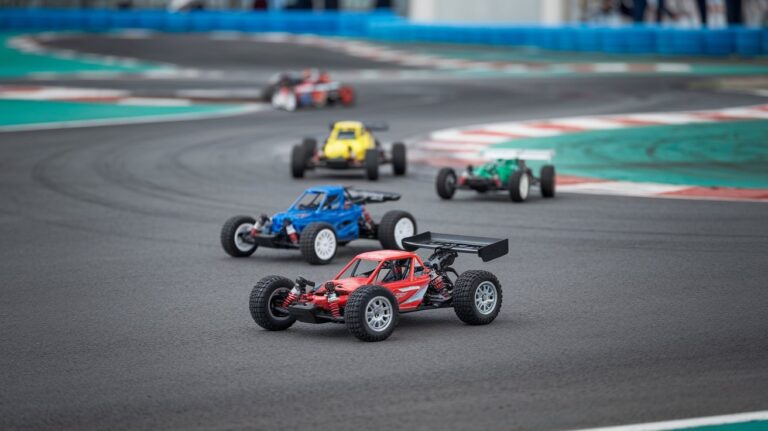
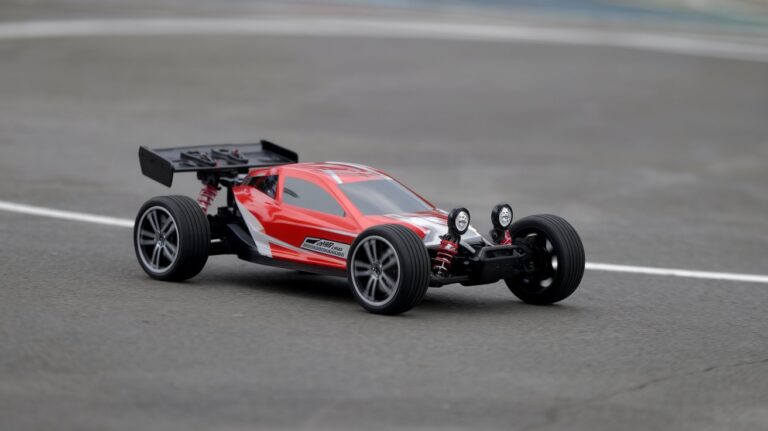
Gas powered RC cars represent the pinnacle of radio-controlled vehicle performance, offering unmatched power, speed, and realistic driving experiences that electric models simply cannot match. These powerful RC vehicles utilize two-stroke gasoline engines that deliver exceptional torque and extended run times, making them the preferred choice for serious hobbyists and competitive racers across the United States in 2025.
Why Choose Gas Powered RC Cars Over Electric Models
Gas powered RC cars deliver superior performance characteristics that set them apart from electric alternatives. The primary advantage lies in their incredible power-to-weight ratio, with modern gas engines producing up to 5 horsepower while maintaining relatively lightweight construction. This translates to faster acceleration and higher top speeds that can exceed 70 mph in competitive models.
Runtime represents another significant advantage, as gas powered vehicles can operate continuously for 45-60 minutes on a single tank of fuel, compared to 15-20 minutes for high-performance electric models. The refueling process takes mere seconds, allowing for extended driving sessions without lengthy charging interruptions. Additionally, the authentic engine sounds and exhaust smoke create an immersive experience that closely mimics real motorsports.
Gas vs Electric vs Nitro RC Car Comparison
Understanding the differences between gas, electric, and nitro RC cars is crucial for making an informed purchasing decision in 2025. Gas models utilize standard gasoline mixed with two-stroke oil, making fuel readily available at any gas station. Electric cars rely on rechargeable batteries, while nitro vehicles use methanol-based fuel that requires specialized handling and storage.
Performance and Speed Comparison
Gas powered RC cars typically achieve speeds between 35-70 mph depending on scale and engine size, with 1/5 scale models being the fastest. Electric models can reach similar speeds but struggle to maintain peak performance as battery voltage drops. Nitro cars fall somewhere in between, offering good speed but requiring more frequent maintenance and careful fuel management.
Maintenance and Operating Costs
Long-term ownership costs favor gas powered vehicles significantly. Gasoline costs approximately $0.50-$1.00 per driving session, while high-quality LiPo batteries for electric models can cost $100-$300 and require replacement every 1-2 years. Nitro fuel costs $25-$35 per gallon and burns quickly, making it the most expensive option for regular use.
Top Gas Powered RC Cars for 2025
The 2025 market features several exceptional gas powered RC cars that represent the best combination of performance, reliability, and value. These models have been thoroughly tested and proven in competitive environments across the United States, demonstrating consistent performance in various conditions.
Losi 5IVE-T 2.0 V2 4WD Short Course Truck
The Losi 5IVE-T 2.0 V2 stands as the premium choice for serious enthusiasts, featuring a 45cc two-stroke engine that produces exceptional power and reliability. This 1/5 scale truck reaches speeds up to 60 mph and includes advanced features like aluminum chassis construction, adjustable suspension geometry, and high-quality radio system. Priced around $2,800-$3,200, it represents the top tier of gas powered RC performance.
HPI Baja 5B/5T Series
HPI Baja models offer excellent value for money, combining proven reliability with competitive performance at a more accessible price point of $1,500-$2,000. The 26cc engine provides solid power output while maintaining excellent fuel efficiency. These vehicles feature durable construction that withstands aggressive driving and crashes, making them ideal for beginners transitioning to gas powered RC cars.
Redcat Rampage MT V3 Monster Truck
The Redcat Rampage MT V3 delivers outstanding value at $800-$1,000, making it the most affordable entry point into gas-powered RC racing. Despite its budget-friendly price, this monster truck features a reliable 30cc engine, waterproof electronics, and robust construction that handles rough terrain effectively. It’s particularly popular among newcomers who want to experience gas powered performance without significant investment.
How Fast Do Gas Powered RC Cars Go
Gas powered RC cars achieve impressive speeds that vary significantly based on scale, engine size, and vehicle configuration. The fastest models can exceed 70 mph, with 1/5 scale vehicles typically leading in absolute top speed due to their larger engines and better aerodynamics.
Speed by Scale and Engine Size
1/8 scale gas cars with 26-32cc engines typically reach 35-45 mph, while 1/5 scale models with 45cc engines can achieve 50-70 mph. The largest 1/5 scale trucks with modified 62cc engines have recorded speeds exceeding 80 mph in controlled conditions. These speeds make gas models significantly faster than most electric RC cars in sustained performance scenarios.
Factors Affecting Maximum Speed
Several factors influence the top speed of gas powered RC cars, including gearing ratios, tire selection, vehicle weight, and aerodynamic design. Proper tuning of the carburetor and engine timing can increase speed by 10-15%, while lightweight racing tires and optimal gear ratios maximize acceleration and top end performance.
Gas Powered RC Car Costs and Budget Planning
Understanding the complete cost structure of gas powered RC cars helps buyers make informed decisions and budget appropriately for their hobby investment. Initial purchase prices represent only part of the total ownership costs, with ongoing fuel, maintenance, and upgrade expenses requiring consideration.
Initial Purchase Prices by Category
Entry-level gas RC cars start around $600-$800 for basic 1/8 scale models, while mid-range options cost $1,200-$1,800. Premium racing models from established brands like Losi and HPI range from $2,500-$3,500. Professional competition vehicles can exceed $5,000 when fully equipped with racing modifications and premium components.
Ongoing Operating Expenses
Monthly operating costs for gas powered RC cars typically range from $30-$80 depending on usage frequency. Fuel costs average $15-$25 monthly for casual users, while maintenance items like spark plugs, air filters, and oil changes add $10-$20 monthly. Replacement parts and upgrades can add $50-$200 annually depending on driving style and maintenance practices.
Are Gas Powered RC Cars Worth the Investment
Gas powered RC cars provide exceptional value for enthusiasts seeking authentic driving experiences and competitive performance capabilities. The initial investment yields years of enjoyment, with many owners reporting 5-10 years of reliable operation with proper maintenance. The resale value remains strong, with quality models retaining 50-70% of their original value after several years of use.
For serious hobbyists and competitive racers, gas powered vehicles offer unmatched performance consistency and the satisfaction of mechanical tuning and maintenance. The learning curve involved in engine maintenance and tuning provides educational value that extends beyond simple entertainment, developing mechanical skills applicable to full-size automotive applications.
Related video about gas powered rc cars
This video complements the article information with a practical visual demonstration.
Essential Q&A about gas powered rc cars
Are gas powered RC cars worth it compared to electric models?
Gas powered RC cars are definitely worth it for serious enthusiasts who value extended runtime, authentic engine sounds, and competitive performance. They offer 45-60 minutes of continuous operation versus 15-20 minutes for electric models, plus superior power-to-weight ratios that deliver faster speeds and better acceleration.
How fast do gas powered RC cars actually go in real conditions?
Most gas powered RC cars achieve speeds between 35-70 mph depending on scale and engine size. 1/8 scale models typically reach 35-45 mph, while 1/5 scale vehicles with larger engines can exceed 60 mph. Modified racing models have recorded speeds over 80 mph in controlled conditions.
What brands are better than Traxxas for gas powered RC cars?
Several brands excel in gas powered RC cars more than Traxxas, including Losi, HPI, and Redcat. Losi leads in premium performance with their 5IVE series, HPI offers excellent reliability with Baja models, while Redcat provides outstanding value for budget-conscious buyers seeking gas power.
Do gas powered RC cars require special maintenance?
Gas powered RC cars need regular engine maintenance including spark plug changes every 20-30 hours, air filter cleaning after each session, and periodic carburetor adjustments. Oil changes are required every 10-15 tanks of fuel, and proper winter storage procedures prevent engine damage during off-seasons.
Can beginners successfully operate gas powered RC cars?
Beginners can successfully enjoy gas powered RC cars with proper preparation and realistic expectations. Starting with entry-level models like the Redcat Rampage MT provides manageable learning experiences, while online tutorials and local RC clubs offer valuable guidance for engine tuning and maintenance procedures.
| Key Aspect | Important Details | Benefit |
|---|---|---|
| Runtime Performance | 45-60 minutes continuous operation | Extended driving sessions without interruption |
| Speed Capabilities | 35-70 mph depending on scale | Superior performance vs electric models |
| Operating Costs | $0.50-$1.00 per session fuel cost | Lower long-term costs than battery replacement |
| Engine Power | 26cc-62cc two-stroke engines | Consistent power delivery and torque |
| Authentic Experience | Real engine sounds and exhaust | Immersive motorsports simulation |