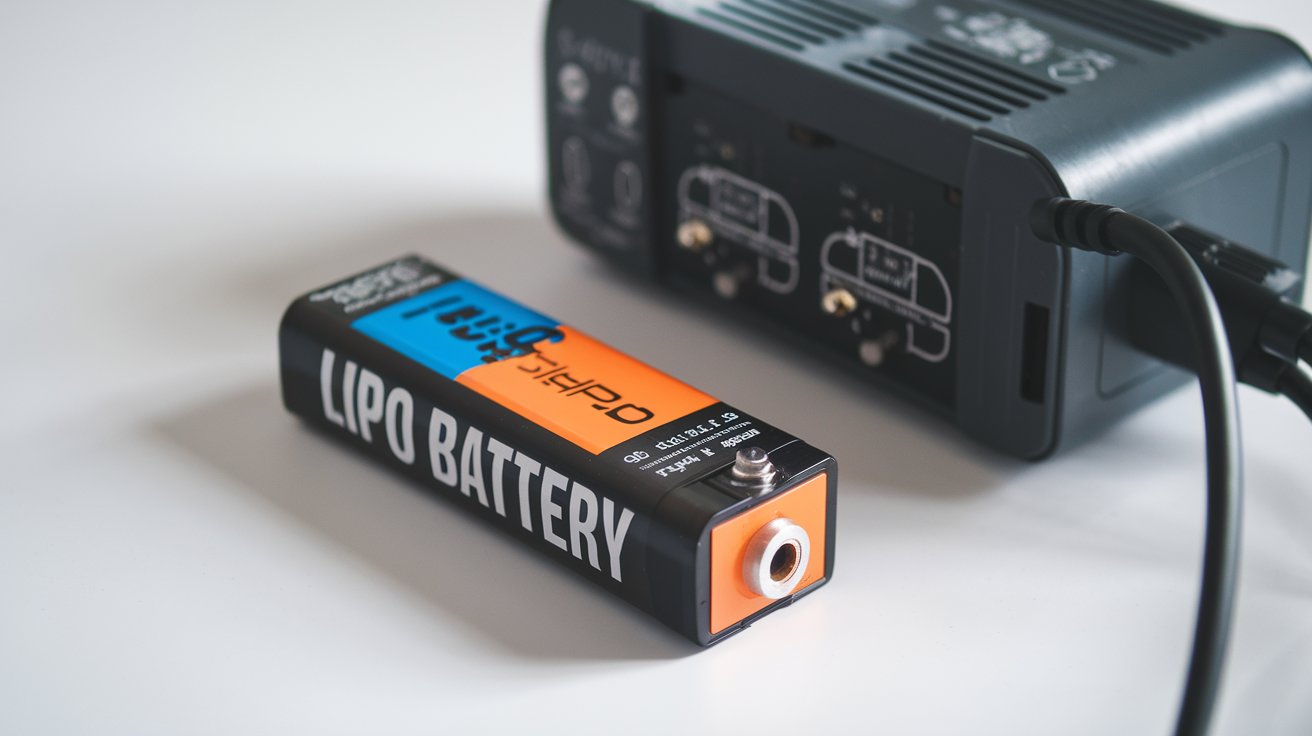
LiPo Battery Guide 2024: Best Lithium Polymer Chargers & Types
A LiPo battery (Lithium Polymer) is a rechargeable battery technology offering high energy density and lightweight design for RC vehicles, drones, and electronics. With proper understanding of LiPo battery voltage, charging requirements, and safety protocols, these batteries provide superior performance compared to traditional lithium-ion alternatives in demanding applications.
What is a LiPo Battery and How Does It Work
Lithium Polymer batteries represent advanced battery technology using a solid polymer electrolyte instead of liquid electrolyte found in conventional lithium batteries. The polymer matrix allows for flexible packaging and various form factors, making LiPo batteries ideal for space-constrained applications. Each cell produces 3.7V nominal voltage, with fully charged cells reaching 4.2V and safe discharge cutoff at 3.0V per cell.
The key advantage of LiPo battery technology lies in its high discharge rates, measured in C-ratings. A typical 5000mAh battery with 50C rating can safely discharge at 250 amps, providing exceptional power for high-performance applications. This capability makes them superior to standard lithium-ion batteries for RC vehicles, drones, and power tools requiring burst power delivery.
LiPo Battery Configurations and Voltage Systems
Understanding LiPo battery voltage configurations is crucial for proper application selection. Battery packs are designated by cell count (S) and parallel groups (P), affecting total voltage and capacity.
Common LiPo Battery Cell Configurations
A Lipo Battery 3S configuration contains three cells in series, providing 11.1V nominal voltage (12.6V fully charged). This setup is popular for smaller RC cars and aircraft requiring moderate power. Lipo Battery 6S systems deliver 22.2V nominal (25.2V charged) and are commonly used in larger RC vehicles, electric skateboards, and high-performance drones requiring substantial power output.
Capacity Ratings and Power Output
Capacity measured in mAh (milliamp hours) determines runtime, with Lipo Battery 5000mAh providing extended operation for demanding applications. A 5000mAh battery theoretically supplies 5 amps for one hour or 50 amps for six minutes, though actual runtime depends on discharge rate and efficiency. Higher capacity batteries like 8000-10000mAh are increasingly popular for long-duration flights and extended RC sessions in 2024.
LiPo vs Lithium-Ion Battery Comparison
The lipo battery vs lithium-ion debate centers on application requirements and performance priorities. LiPo batteries excel in high-discharge applications, offering 20-100C continuous discharge rates compared to 1-3C typical for lithium-ion cells. This makes LiPo superior for RC vehicles, drones, and power tools requiring instant high power delivery.
However, lithium batteries (Li-ion) provide better energy density, longer cycle life (500-1500 cycles vs 300-500 for LiPo), and enhanced safety features. Li-ion batteries are preferred for smartphones, laptops, and electric vehicles where energy density and longevity outweigh high discharge requirements. Cost-wise, Li-ion batteries typically cost 20-30% less per Wh in 2024 market conditions.
Essential LiPo Battery Charging Requirements
Proper charging is critical for LiPo battery safety and longevity. A quality LiPo Battery Charger must provide balance charging, monitoring individual cell voltages to prevent dangerous overcharging conditions.
Balance Charging and Safety Features
Balance charging ensures all cells in a pack reach identical voltage levels, preventing cell damage and thermal runaway. Modern LiPo Battery Charger units include safety features like temperature monitoring, automatic cutoff, and fire-resistant charging bags. Leading charger brands in 2024 include ISDT, SkyRC, and Traxxas, with prices ranging from $40-$200 depending on power output and features.
Charging Rates and Best Practices
Safe charging rates for LiPo batteries typically range from 0.5C to 1C, meaning a 5000mAh battery should charge at 2.5-5 amps maximum. Slower charging (0.5C) extends battery life, while 1C charging provides convenience for frequent use. Never exceed manufacturer specifications, and always charge in fire-safe locations with proper ventilation and monitoring equipment.
LiPo Battery 12V Applications and Systems
LiPo Battery 12V systems typically use 3S configuration (11.1V nominal) for automotive accessories, marine electronics, and portable power applications. These batteries offer significant weight savings compared to lead-acid alternatives, weighing 60-70% less while providing similar capacity. Popular applications include RV house batteries, trolling motors, and emergency backup power systems.
For true 12V applications requiring precise voltage regulation, 4S LiPo battery packs (14.8V nominal) with voltage regulators are preferred. This configuration provides stable 12V output throughout the discharge cycle, essential for sensitive electronics and automotive applications requiring consistent power delivery.
Disadvantages and Safety Considerations
The primary disadvantages of LiPo batteries include fire risk, swelling, and sensitivity to overcharging or physical damage. Thermal runaway can occur if cells are punctured, overcharged, or subjected to extreme temperatures, potentially causing fires or explosions. Proper storage in LiPo safety bags and fireproof containers is essential for safe operation.
LiPo batteries also exhibit voltage sag under high loads, requiring voltage monitoring systems to prevent over-discharge damage. Environmental sensitivity means performance decreases significantly in cold weather, with capacity dropping 20-40% below freezing temperatures. These disadvantages require careful handling protocols and safety equipment for responsible use.
LiPo Battery Lifespan and Maintenance
A properly maintained LiPo battery typically lasts 300-500 charge cycles before capacity drops to 80% of original specification. Factors affecting lifespan include charging rate, storage voltage, temperature exposure, and discharge depth. Batteries stored at 3.8V per cell (storage voltage) in cool, dry conditions can maintain performance for 6-12 months without significant degradation.
To maximize how long will a LiPo battery last, avoid deep discharges below 3.0V per cell, charge at moderate rates (0.5-1C), and maintain storage voltage during extended periods. Regular capacity testing and cell balancing help identify aging batteries before performance becomes unreliable. Professional users often retire batteries at 80% capacity to maintain consistent performance standards.
Where to Buy Quality LiPo Batteries
Lipo Battery Amazon selection includes major brands like Zeee, HOOVO, and Gens Ace, offering convenient purchasing with customer reviews and fast shipping. However, buying from specialized RC retailers like Horizon Hobby, Tower Hobbies, or local hobby shops provides expert advice and often better warranty support for high-performance applications.
When purchasing from Lipo Battery Amazon or other online sources, verify seller authenticity and check recent reviews for quality consistency. Counterfeit batteries pose significant safety risks, so stick with established brands and authorized dealers. Professional users often purchase directly from manufacturers like Tattu, Turnigy, or Thunder Power for mission-critical applications requiring guaranteed performance and safety standards.
Future Trends and 2024-2025 Developments
The LiPo battery market in 2024 shows increasing focus on silicon nanowire anodes and solid-state electrolytes, promising 20-30% capacity improvements while maintaining high discharge rates. New manufacturing techniques reduce internal resistance, enabling even higher C-ratings and improved efficiency for demanding applications.
Emerging smart battery management systems integrate wireless monitoring, GPS tracking, and predictive maintenance algorithms. These advances help prevent failures and optimize performance for professional applications. The US market expects continued growth in electric aviation and heavy-duty RC applications driving demand for higher-capacity, safer LiPo batteries throughout 2025.
Related video about lipo battery
This video complements the article information with a practical visual demonstration.
Essential Q&A about lipo battery
What is a LiPo battery?
A LiPo battery (Lithium Polymer) is a rechargeable battery using solid polymer electrolyte instead of liquid. Each cell provides 3.7V nominal voltage with exceptional high-discharge capabilities up to 100C rating, making them ideal for RC vehicles, drones, and high-performance electronics requiring burst power delivery.
Which is better, LiPo or lithium battery?
LiPo batteries excel for high-discharge applications with 20-100C rates versus 1-3C for lithium-ion. However, lithium-ion batteries offer better energy density, 2-3x longer cycle life (500-1500 vs 300-500 cycles), enhanced safety, and 20-30% lower cost per Wh, making them better for consumer electronics and energy storage.
What are the disadvantages of LiPo batteries?
Primary disadvantages include fire risk from thermal runaway, sensitivity to overcharging and physical damage, voltage sag under high loads, poor cold weather performance (20-40% capacity loss below freezing), and shorter lifespan of 300-500 cycles compared to lithium-ion alternatives.
How long will a LiPo battery last?
LiPo batteries typically last 300-500 charge cycles before dropping to 80% capacity. With proper storage at 3.8V per cell and moderate charging rates (0.5-1C), batteries can maintain performance for 2-3 years. Actual runtime depends on capacity, discharge rate, and application demands.
How do I choose the right LiPo battery charger?
Choose a balance charger matching your battery configuration (2S-6S) with adequate power output (typically 50-200W). Essential features include individual cell monitoring, automatic cutoff, temperature sensing, and safety timers. Budget $40-200 for quality chargers from brands like ISDT, SkyRC, or Traxxas.
Can I use a LiPo battery for 12V applications?
Yes, 3S LiPo batteries (11.1V nominal, 12.6V charged) work for many 12V applications. For precise 12V regulation, use 4S packs (14.8V) with voltage regulators. LiPo 12V systems offer 60-70% weight savings over lead-acid batteries for RV, marine, and automotive applications.
| LiPo Aspect | Key Specifications | Primary Benefit |
|---|---|---|
| Discharge Rate | 20-100C continuous | High power applications |
| Voltage per Cell | 3.7V nominal, 4.2V charged | Flexible configuration options |
| Cycle Life | 300-500 cycles to 80% | Reliable performance duration |
| Weight | 60-70% lighter than lead-acid | Improved portability |
| Charging | Balance charging required | Safe operation and longevity |