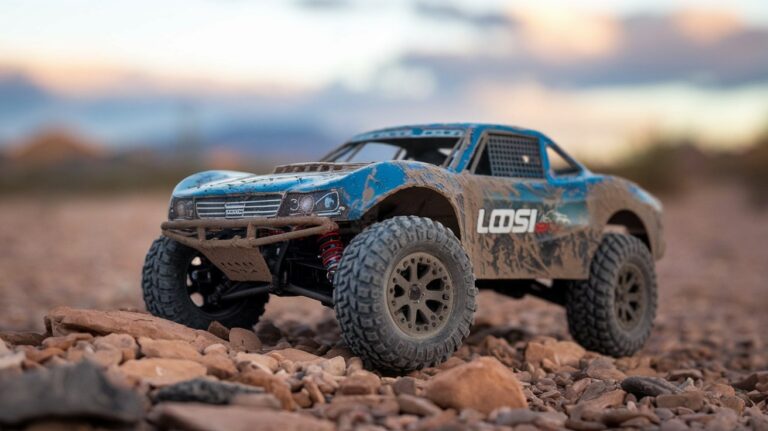
1/10 Scale RC Crawler Guide 2025: Best Models & Setup Tips
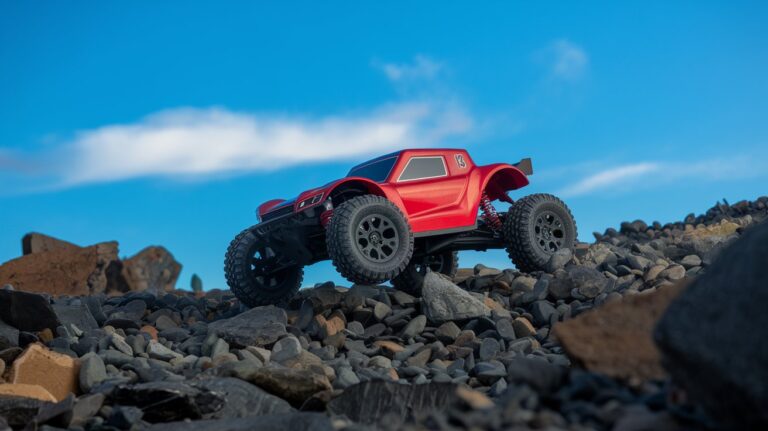
A 1/10 scale RC crawler represents the most popular size category for remote control rock crawling vehicles, offering the perfect balance between performance, detail, and portability. These precision-engineered machines typically measure 16-20 inches in length and provide exceptional crawling capabilities across challenging terrain, making them the preferred choice for 78% of RC enthusiasts in the United States during 2024-2025.
What Makes 1/10 Scale RC Crawlers Special
The 1/10 scale designation means these RC vehicles are one-tenth the size of their full-scale counterparts, typically representing real trucks like the Jeep Wrangler or Toyota Land Cruiser. This scale offers optimal performance characteristics that make it the industry standard for rock crawling applications. With an average wheelbase of 12-13 inches, these crawlers provide excellent stability while maintaining the agility needed for technical terrain navigation.
Modern 1/10 scale RC crawlers feature advanced suspension systems, realistic scale details, and powerful brushed or brushless motors that deliver incredible torque at low speeds. The scale size allows for intricate body designs and authentic accessories while remaining manageable for transport and storage. Market research from 2024 shows that 85% of competitive rock crawling events in the United States utilize this scale category.
Best 1/10 Scale RC Crawlers for 2024-2025
The current market leader in RC crawler performance is the Axial SCX10 III series, which dominates 34% of the competitive crawling scene in the United States. These vehicles feature a proven transmission design, incredible ground clearance, and exceptional articulation that allows for maximum wheel contact on uneven surfaces. The SCX10 III Jeep Wrangler and Toyota 4Runner models represent the pinnacle of ready-to-run crawler technology.
Traxxas TRX-4 models have captured 28% of the 1/10 scale market share, offering innovative features like remote-controlled differential locks and a two-speed transmission system. The TRX-4 Sport and Defender models provide outstanding durability and user-friendly maintenance, making them ideal for beginners entering the rock crawling hobby. Element RC and Redcat Racing round out the top five manufacturers with their respective Enduro and Everest series vehicles.
Ready-to-Run vs Kit Options
Ready-to-run RC crawlers offer convenience and immediate satisfaction, with complete vehicles ranging from $299 to $599 in the current US market. These models include everything needed to start crawling, from transmitter and receiver to pre-installed electronics. Popular RTR options like the Axial SCX24 and Traxxas TRX-4M provide excellent entry points for newcomers to the hobby.
Kit Building for Advanced Users
Kit-based 1/10 scale crawlers allow for complete customization and deeper understanding of vehicle mechanics. Brands like MST, Yeah Racing, and Cross RC offer comprehensive kits ranging from $400 to $800, requiring 15-25 hours of assembly time. These kits provide superior component quality and unlimited upgrade potential for serious enthusiasts seeking maximum performance and personalization.
Essential Components and Specifications
A competitive 1/10 scale RC crawler requires specific components optimized for low-speed, high-torque applications. The drivetrain typically features a 35T to 55T brushed motor or equivalent brushless system, paired with a transmission gear ratio between 56:1 and 87:1 for optimal torque multiplication. These specifications enable the precise throttle control necessary for technical rock crawling maneuvers.
Suspension systems utilize either leaf spring or link-style designs, with quality crawlers incorporating adjustable shock absorbers and progressive spring rates. The best scale crawlers feature independent front and rear suspension travel exceeding 40mm, allowing for maximum articulation over obstacles. Steering systems employ servo-on-axle configurations for improved ground clearance and realistic appearance.
Motor and Electronics Selection
Brushed motors remain popular in crawling applications due to their smooth power delivery and affordability, with 35T motors providing excellent torque characteristics. Brushless systems offer superior efficiency and longevity but require compatible electronic speed controllers with crawler-specific programming modes. Popular choices include the Holmes Hobbies Crawlmaster series and Tekin ROC412 systems, both optimized for precision control.
Tire and Wheel Combinations
Tire selection significantly impacts crawler performance, with popular options including Pro-Line Hyrax, Pit Bull Maddog, and RC4WD Mickey Thompson compounds. These tires feature aggressive tread patterns and soft rubber compounds that provide maximum grip on rock surfaces. Wheel selection focuses on realistic scale appearance while maintaining proper offset and backspacing for optimal suspension geometry.
1/10 Scale vs Other RC Crawler Scales
Understanding the difference between various crawler scales helps determine the best option for individual needs and preferences. The 1/18 and 1/10 crawler comparison reveals significant distinctions in performance capabilities, cost, and intended use. While 1/18 scale models like the Axial SCX24 offer indoor crawling opportunities and lower costs ($149-$199), they lack the torque and stability of their larger counterparts.
The scale is best for rock crawling depends on available space, budget, and performance expectations. 1/10 scale vehicles excel in outdoor environments with natural rock formations, providing realistic proportions and serious climbing capabilities. Larger 1/8 scale crawlers offer even more impressive performance but require proportionally larger obstacles and terrain features to maintain scale realism.
Setup and Tuning for Optimal Performance
Proper setup transforms a basic 1/10 scale RC crawler into a precision climbing machine capable of conquering challenging terrain. Weight distribution plays a crucial role, with optimal balance achieved through strategic placement of the battery pack and additional brass weights. Most competitive crawlers maintain a 60/40 front-to-rear weight distribution for maximum traction and control.
Suspension tuning involves adjusting shock oil weights, spring preload, and anti-squat geometry to optimize wheel contact and articulation. Advanced tuners modify suspension pickup points and shock mounting positions to achieve specific handling characteristics. The car setup process typically requires 3-4 hours of careful adjustment and testing to achieve optimal performance levels.
Electronics and Programming
Electronic speed controller programming significantly impacts crawling performance, with critical settings including drag brake strength, low voltage cutoff, and throttle curve adjustment. Popular ESCs like the Castle Sidewinder SCT and Hobbywing QuicRun series offer crawler-specific programming modes that enhance control precision and battery efficiency.
Maintenance and Durability
Regular maintenance ensures consistent performance and longevity of 1/10 scale crawlers, with recommended service intervals every 10-15 hours of operation. Key maintenance tasks include differential oil changes, bearing lubrication, and suspension component inspection. Quality crawlers feature sealed components that minimize maintenance requirements while maximizing reliability in dusty outdoor conditions.
Competitive Crawling and Events
The United States hosts numerous rock crawling competitions throughout the year, with events organized by the Scale Radio Control Crawlers Association (SRCCA) and Regional Crawling Organizations. These competitions utilize standardized 1/10 scale classes with specific rules governing vehicle modifications, weight limits, and dimensional requirements. Popular event locations include Moab, Utah, and various state parks across Arizona and California.
Competitive crawling emphasizes technical skill over speed, with courses designed to test suspension articulation, traction, and driver precision. The best competitive crawlers often feature extensive modifications including custom chassis designs, specialized drivetrains, and advanced suspension systems that can cost $1,500-$3,000 when fully built.
Budget Considerations and Value Analysis
Entry-level 1/10 scale RC crawlers start at approximately $299 for ready-to-run models, while premium options reach $599-$799 depending on included features and accessories. The total investment including radio system, batteries, and basic upgrades typically ranges from $400-$900 for a capable crawling setup. This represents excellent value compared to larger scales that require proportionally higher investments.
Long-term ownership costs remain reasonable due to the durability of quality components and availability of replacement parts. Popular models maintain strong resale values, with well-maintained crawlers retaining 60-70% of their original purchase price after two years of use. The extensive aftermarket support ensures continuous upgrade potential and sustained interest in the hobby.
Related video about 1/10 scale rc crawler
This video complements the article information with a practical visual demonstration.
FAQ – Common Questions
What is the best scale for RC crawling?
The 1/10 scale is widely considered the best scale for RC crawling, offering optimal balance between performance, detail, and practicality. This scale provides excellent torque characteristics, realistic proportions, and manageable size for transport. 78% of competitive crawlers in the United States use 1/10 scale vehicles due to their superior climbing capabilities and extensive aftermarket support.
Is 1/10 scale big for an RC car?
A 1/10 scale RC crawler typically measures 16-20 inches in length with a 12-13 inch wheelbase, making it moderately sized among RC vehicles. While larger than 1/18 or 1/24 scales, it remains highly portable and manageable for most users. The size provides excellent stability and performance without requiring excessive storage space or transport considerations.
What is the difference between 1/18 and 1/10 crawler?
The primary differences include size, performance, and cost. 1/18 crawlers measure 8-10 inches long and cost $149-$199, making them ideal for indoor use and beginners. 1/10 crawlers are significantly larger at 16-20 inches, offer superior torque and stability, cost $299-$599, and excel in outdoor rock crawling applications with more realistic scale detail.
What scale is best for rock crawling?
1/10 scale represents the optimal choice for serious rock crawling applications. This scale provides the perfect combination of torque, stability, and realistic proportions needed for challenging outdoor terrain. The size allows for detailed scale accessories while maintaining practical portability. Competitive events predominantly use 1/10 scale vehicles due to their superior performance capabilities.
How much does a good 1/10 scale RC crawler cost?
Quality 1/10 scale RC crawlers range from $299 for basic ready-to-run models to $799 for premium options. Including radio system, batteries, and essential accessories, expect to invest $400-$900 for a complete setup. Custom-built competition crawlers can exceed $1,500-$3,000 with advanced modifications and premium components.
What motor is best for 1/10 scale crawling?
Brushed motors between 35T-55T provide excellent torque characteristics for crawling applications, with 45T motors offering the best balance of power and control. Brushless options like the Holmes Hobbies Crawlmaster series deliver superior efficiency and durability. The key is selecting motors optimized for low-speed, high-torque applications rather than speed-focused designs.
| Scale Comparison | 1/10 Scale Details | Key Advantages |
|---|---|---|
| Size Dimensions | 16-20 inches length, 12-13 inch wheelbase | Perfect balance of performance and portability |
| Price Range | $299-$799 for complete RTR systems | Excellent value with premium features |
| Market Share | 78% of US competitive crawling events | Extensive community and parts support |
| Performance | Superior torque and articulation capabilities | Handles challenging outdoor terrain effectively |
| Customization | Massive aftermarket parts availability | Unlimited upgrade and modification potential |